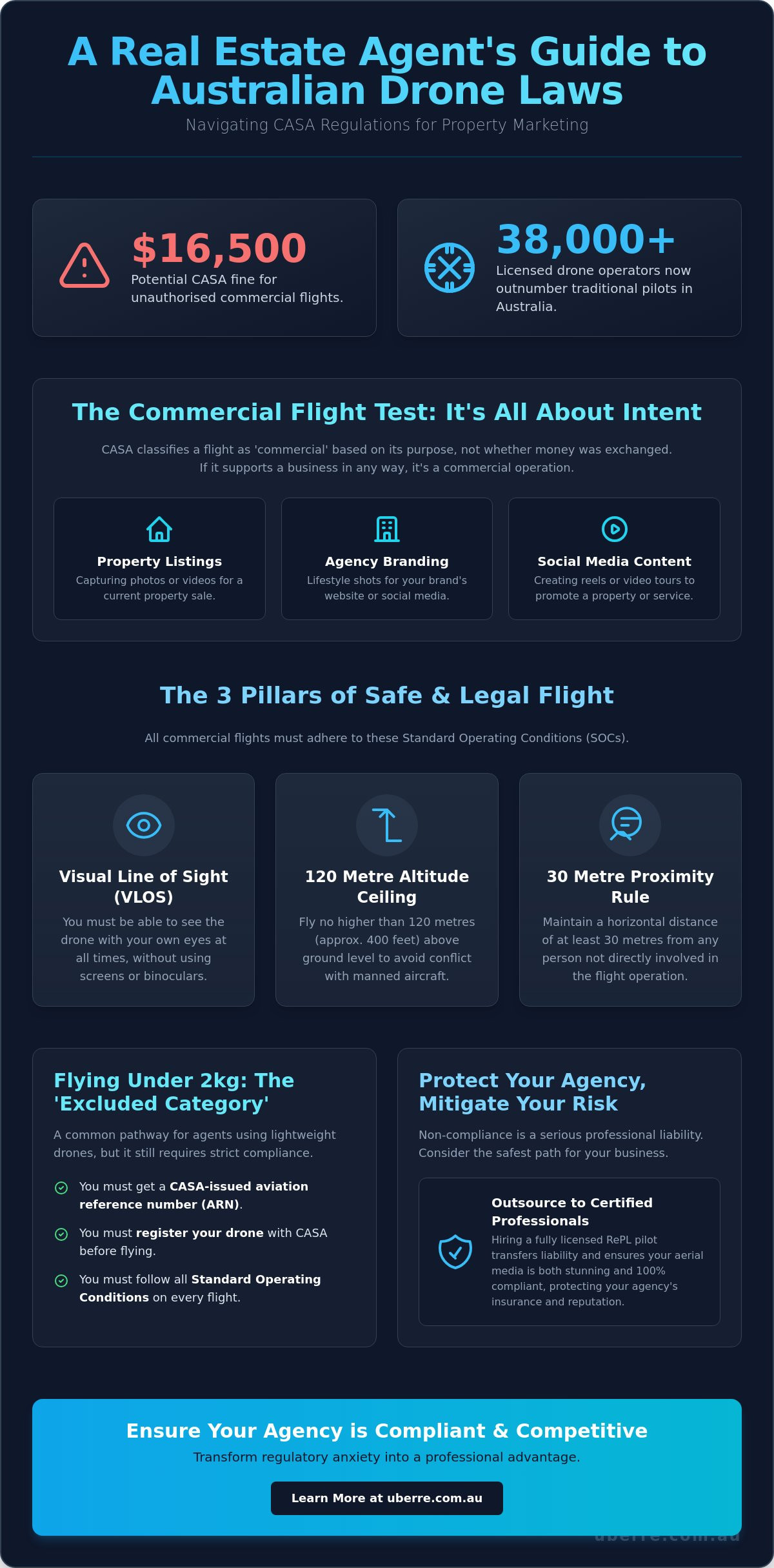
With over 38,000 licensed drone operators now outnumbering traditional pilots in Australia, the sky above your next listing is a heavily regulated professional landscape. Mastering the current drone laws for real estate australia is no longer just about flight safety; it is a vital pillar of your agency's risk management and brand reputation. You likely recognise that high-end aerial photography and video tours are essential for modern listings, yet the prospect of a $16,500 CASA fine for unauthorised commercial flight remains a valid concern.
It's common to feel overwhelmed by the technical distinction between recreational rules and commercial requirements. This 2026 guide provides the clarity you need to navigate CASA regulations and Australian privacy laws with absolute precision. You will learn how to utilise the 'Excluded Category' for lightweight drones and follow a standardised checklist for legal operation. We provide the technical roadmap to ensure your property marketing is both elite and compliant, allowing you to focus on delivering high-quality visual assets while avoiding neighbour complaints and regulatory interference. This is about transforming a logistical anxiety into a professional competitive advantage.
• Identify the legal boundary between recreational and commercial flight to avoid costly CASA infringements and regulatory scrutiny.
• Master the 'Excluded Category' requirements for small drones to ensure your agency remains compliant with the latest drone laws for real estate australia.
• Navigate the Surveillance Devices Act to protect your marketing campaigns from neighbour privacy complaints and potential trespass claims.
• Implement mandatory safety protocols, including the 30-metre distance rule and no-fly zone identification, for every aerial property shoot.
• Mitigate professional risk by understanding how outsourcing your aerial media to certified providers protects your agency's liability and insurance standing.
The Civil Aviation Safety Authority (CASA) maintains total jurisdiction over Australian airspace. For agents, understanding drone laws for real estate australia begins with a clear grasp of intent. CASA doesn't distinguish between recreational and commercial flight based on whether money changed hands. Instead, they look at the purpose of the flight. If the drone is in the air to promote a listing, sell a property, or enhance an agency brand, it is legally classified as a commercial operation. This classification triggers specific registration and accreditation requirements that recreational hobbyists simply don't face. Ignoring these distinctions exposes your agency to significant liability.
Operating within this framework requires more than just basic flight skills. It demands a technical understanding of the Remotely Piloted Aircraft (RPA) laws. CASA enforces these rules to ensure that the rapid growth of drone use in the real estate sector doesn't compromise public safety or manned aviation. Compliance is a non-negotiable standard for any professional agency looking to integrate high-end visual assets into their marketing suite. It moves your operations from the casual nature of a hobbyist toward a corporate, results-driven partnership with the regulator.
Capturing images for a live listing is a business activity. This applies even if you aren't charging the vendor a specific fee for the footage. Using a drone for lifestyle shots to bolster agency branding or social media reels also falls under commercial rules. Even if a friend or family member offers "free" drone shots for your campaign, the flight remains commercial because the intent is to facilitate a business transaction. Operating under the guise of a recreational flyer while conducting real estate marketing is a high-risk strategy. CASA identifies this as unauthorised commercial flight, which can lead to immediate fines for both the pilot and the agency.
Whether you are a licensed professional or an accredited agent flying in the 'Excluded Category', you must adhere to Standard Operating Conditions. These rules are the baseline safety standards for all drone laws for real estate australia operations. They ensure that every flight is conducted with technical precision and accountability.
You must see the drone with your own eyes at all times. Using binoculars, screens, or FPV goggles as the primary means of navigation is prohibited. If you can't see the aircraft, you don't have control.
Flight altitude is capped at 120 metres (approx. 400 feet) above ground level. This is critical for high-rise photography to avoid conflict with manned aircraft, particularly near urban flight paths.
You cannot fly over people. You must maintain a horizontal distance of at least 30 metres from anyone not involved in the drone operation. This includes neighbours, pedestrians, and the vendors themselves.
Adhering to these conditions isn't just about avoiding fines; it's about protecting your professional indemnity. Most insurance policies for real estate agencies exclude coverage for unlicenced or non-compliant drone use. By following the SOCs, you maintain a steady, professional pulse throughout your digital interaction with the property and the public.
Navigating the technical tiers of drone laws for real estate australia requires a clear understanding of your aircraft's weight and your operational goals. CASA classifies commercial drone use into two primary streams: the 'Excluded Category' for drones under 2kg and the fully certified path involving a Remote Pilot Licence (RePL). For most agents, the sub-2kg category offers a lower barrier to entry, but it carries strict administrative and operational constraints that cannot be ignored. Professionalism in this space starts with knowing exactly which category your equipment falls into before you launch.
The distinction is not merely about weight; it's about the permissions granted to the pilot. While a small drone might seem like a toy, using it for a business purpose immediately subjects it to commercial oversight. This means you must move beyond recreational habits and adopt a corporate mindset regarding safety and documentation. Failing to align your flight category with your business activities can result in significant legal exposure for your agency.
To operate under the Excluded Category, you must first obtain an RPA Operator Accreditation through the CASA portal. This process is free, completed online, and valid for five years. Once accredited, you must register every drone used for business purposes. As of 2026, commercial drones weighing 500g or less are free to register, while those over 500g incur a $40 annual levy. Flying an unregistered commercial drone is a serious breach, with potential penalties reaching up to $16,500. Beyond registration, you are legally required to maintain flight logs and maintenance records to prove adherence to CASA drone safety rules during any potential audit.
A full Remote Pilot Licence (RePL) provides capabilities that the Excluded Category lacks. While unlicenced agents must maintain a 30-metre horizontal distance from all people, an RePL holder can often reduce this distance to 15 metres or closer with specific consent. This is a critical advantage for tight urban listings where neighbours are in close proximity. RePL pilots also have the technical training to apply for authorisation to fly in controlled airspace near airports or hospitals, areas that are strictly off-limits to unlicenced operators.
A Remote Operator’s Certificate (ReOC) is the corporate-level certification required if an agency intends to employ multiple pilots or conduct complex operations. This involves a rigorous manual of procedures and ongoing safety audits. For many agencies, the DIY approach quickly becomes a full-time compliance job. Partnering with a provider of professional aerial photography ensures you access high-tier flight permissions and elite visual output without the administrative burden or the risk of regulatory fines.
Aviation safety is only one half of the compliance equation. While CASA manages the technical safety of flight, the legal risk for agencies often lies in state-based legislation regarding privacy and land rights. Mastering the drone laws for real estate australia requires a sophisticated understanding of how aviation rules intersect with the Surveillance Devices Act and common law trespass. Safety accreditation doesn't grant a pilot the right to infringe upon a resident's privacy or their "reasonable enjoyment" of their property. Professional risk management demands that you treat every flight as a potential legal interaction with the surrounding community.
Civil trespass remains a primary concern for suburban property marketing. Property owners generally hold rights to the airspace immediately above their land to a height necessary for its ordinary use. Flying at low altitudes over a neighbour's backyard to secure a specific angle of your listing can constitute trespass. Additionally, nuisance laws address the frequency and noise of drone operations. If a drone's presence is persistent or disruptive, neighbours may have grounds for legal action even if the pilot is technically following Australian Government's drone privacy guidelines. A high-quality marketing strategy balances visual impact with community respect.
Proactive communication is your best defence against privacy complaints. Best practice involves notifying immediate neighbours before a scheduled shoot to manage expectations. During post-production, utilise professional editing to blur or crop out neighbouring private spaces, such as swimming pools or outdoor dining areas. This demonstrates a commitment to privacy standards and protects the agency if a dispute arises. The "reasonable expectation of privacy" test is the benchmark in Australian courts; if a resident is in a location where they wouldn't expect to be seen by the public, recording them is likely a breach.
The Surveillance Devices Act across various states prohibits the use of optical or listening devices to record private activities or conversations without consent. You must never record audio during a drone flight over residential areas. Even if the recording is unintentional, capturing a private conversation through an open window can lead to criminal charges. "Window peeking" during wide-angle shots is another high-risk area. Ensure your flight paths are designed to avoid direct views into neighbouring interiors. Finally, treat the footage you capture as sensitive data. Secure storage and responsible disposal of unused raw files are essential modular components of a modern, tech-forward agency's workflow.
Executing a safe flight requires more than just steady hands; it demands a standardised pre-flight workflow. Operational safety rules are the practical application of drone laws for real estate australia, ensuring that every frame captured is legally defensible. Safety is a modular component of premium marketing, not a secondary consideration. If the environmental conditions or airspace restrictions don't align with CASA standards, the flight must be aborted immediately. Professionalism means prioritising compliance over a specific shot angle, moving your agency away from the casual nature of freelance work toward a reliable, corporate partnership.
Technical confidence in the field involves managing both the aircraft and the environment. Weather constraints are non-negotiable safety factors. Wind speeds exceeding manufacturer limits or low visibility due to rain or fog require an immediate reschedule. Additionally, every pilot must have a clear emergency procedure for link loss or flyaway events. This involves announcing the hazard to anyone nearby and being prepared to notify the authorities if the incident involves property damage. Maintaining a steady, professional pulse during these high-pressure moments is what separates an expert specialist from a hobbyist.
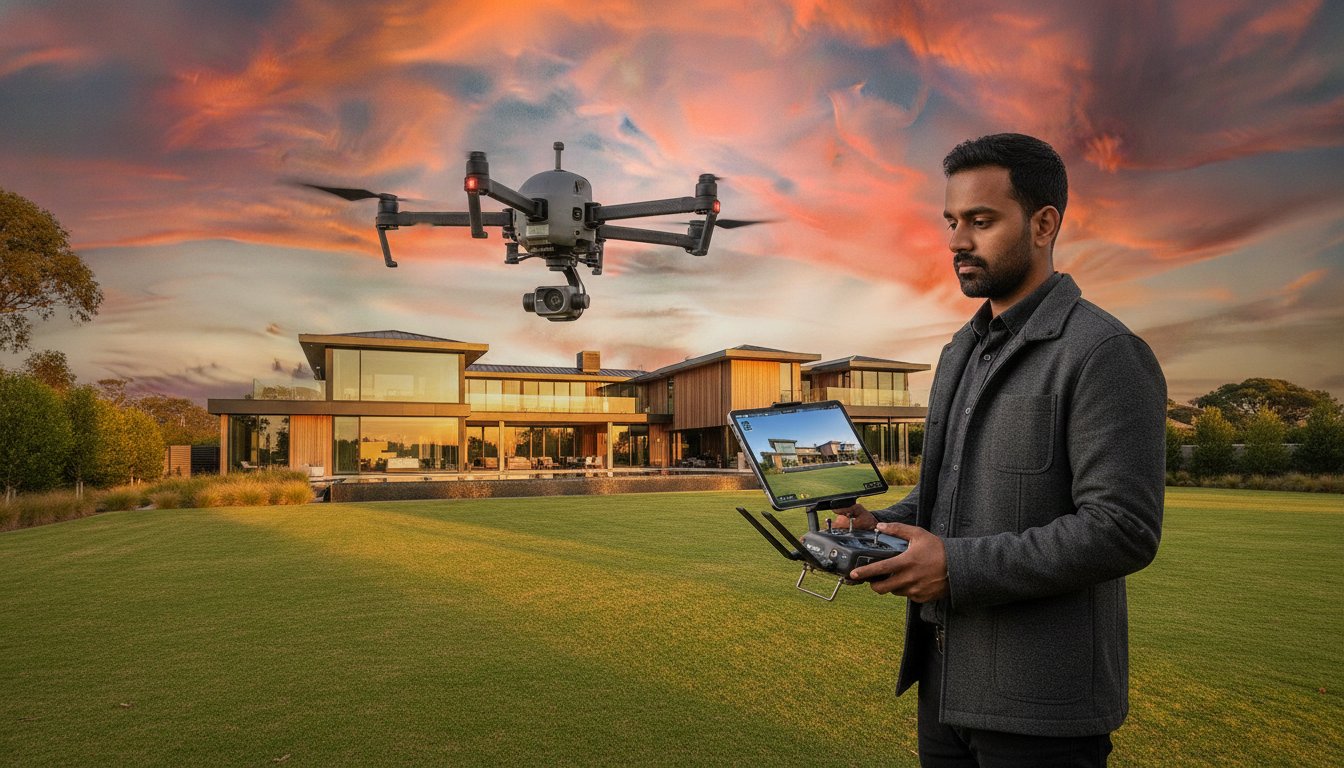
Utilise CASA-verified software like OpenSky to identify restricted zones before arriving at the listing. Many properties sit near hospitals with active helipads or police stations that are permanent no-fly zones. Conduct a site risk assessment before taking off from a driveway or nature strip. Identify physical hazards such as power lines and overhanging gum trees. These obstacles represent significant technical risks. A pre-flight check ensures that your aerial photography session is efficient and incident-free.
The 30-metre rule is a core pillar of drone laws for real estate australia. You must maintain this horizontal distance from anyone not directly involved in the operation. This category excludes neighbours and passing pedestrians. It even excludes the vendors unless they have been specifically briefed on the safety plan. In a cramped suburban street, 30 metres is roughly the length of two standard house blocks. If you cannot maintain this buffer, the flight is unauthorised. Manage the public by using physical signage or a dedicated spotter during the shoot. Never fly over a busy road to capture a front facade shot; the risk of technical failure over moving traffic is a major breach of safety protocols.
The "DIY trap" is a significant hurdle in the Australian property market. While the Excluded Category offers a technical path for agents to fly their own drones, it rarely accounts for the complexities of professional indemnity. Most standard agency insurance policies contain specific "Aviation Exclusions" that void coverage for any incident involving a Remotely Piloted Aircraft. Choosing to operate in-house means the agency, and potentially the vendor, carries the full weight of any property damage or personal injury claims. Outsourcing is a strategic move that transfers this liability to a certified provider. It moves your agency away from the casual nature of freelance work toward a reliable, corporate partnership.
Adhering to drone laws for real estate australia requires a heavy administrative commitment. Maintaining flight logs, battery maintenance records, and conducting site risk assessments takes time away from listing and selling properties. A professional operator doesn't just provide a pilot; they provide a total service assurance that every regulatory box is ticked. This allows agents to maintain a steady, professional pulse on their core business activities while ensuring their marketing remains elite and compliant. Expert specialists deliver the high-quality, standardised output required for effective marketing without the agent needing to master aviation law.
Verify your agency's policy before launching a drone from a nature strip. Standard professional indemnity insurance often excludes unlicenced or uncertified aviation activities. If a technical failure leads to an accident, the financial fallout can be devastating. A professional Remote Operator’s Certificate (ReOC) holder carries specific public liability insurance designed for commercial drone operations. This protection is a modular component of a premium service. It eliminates the risk of a CASA fine, which can reach up to $16,500 for unauthorised commercial work. Professionalism in risk management is about identifying these gaps before they become liabilities.
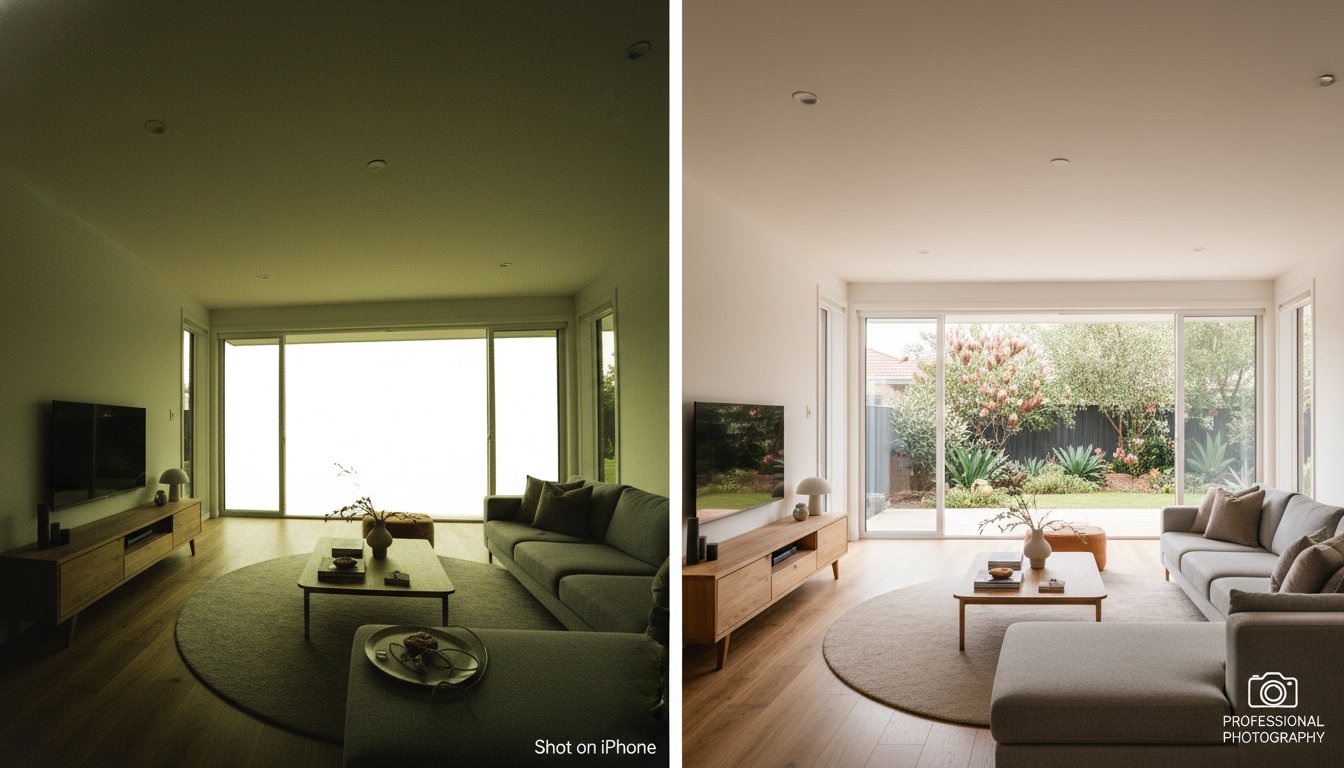
We provide more than just images; we deliver a tech-integrated solution. Our team utilises high-end technical tools and construction-grade sensors to capture precise property data and superior visuals. This technical confidence ensures that your aerial imagery matches the colour and style of your interior shots for a seamless marketing presentation. We handle all CASA notifications and safety checks as part of our standardised output. Focus on your clients and let us manage the logistical complexities of the airspace. Book a certified UberRE drone professional today to ensure your campaigns are both high-quality and fully compliant.
The 2026 regulatory landscape demands more than just basic flight skills; it requires a commitment to total service assurance. By mastering the drone laws for real estate australia, you protect your agency from significant CASA fines and privacy-related litigation. Whether you utilise the sub-2kg Excluded Category or partner with a certified specialist, maintaining strict adherence to the 30-metre rule and standard operating conditions is essential for professional property marketing.
Outsourcing your aerial needs eliminates the administrative burden of flight logs and the significant liability risks associated with unlicenced drone use. UberRE provides a technical roadmap for agencies looking to combine elite visual output with absolute regulatory compliance. We offer a 24-hour turnaround on all aerial media, delivered by CASA-compliant professional pilots who are fully insured for commercial property operations.
Secure compliant aerial media for your next listing with UberRE. Take control of your digital marketing today with the confidence that your agency is operating at the highest professional standard.
No, you don't necessarily need a full Remote Pilot Licence (RePL) if your drone weighs less than 2kg. You can operate within the 'Excluded Category' for business purposes. However, you must still obtain RPA operator accreditation and register your drone with CASA. For any aircraft over 2kg used commercially, a full licence is a mandatory legal requirement.
Technically, aviation law allows flight over property, but you must maintain a 30-metre horizontal distance from people. Civil law is more complex. Property owners have rights to the airspace immediately above their land. Flying at low altitudes over a neighbour's backyard can lead to trespass or nuisance claims. It's best to keep flight paths within the listing's boundaries whenever possible.
You risk heavy financial penalties and legal action. Operating an unregistered commercial drone or flying without proper accreditation can result in fines of up to $16,500. Beyond the immediate fine, unaccredited flight usually voids your professional indemnity insurance. This leaves your agency personally liable for any property damage or privacy breaches that occur during the shoot.
The maximum legal altitude is 120 metres above ground level. This ceiling is a core part of drone laws for real estate australia and ensures you don't interfere with manned aircraft. Even for high-rise apartment photography, you must not exceed this limit. Always monitor your drone's telemetry to ensure you stay within this vertical boundary throughout the entire session.
Aviation safety rules are federal and managed by CASA, meaning they're consistent across the country. However, privacy and surveillance laws are state-based. The application of the Surveillance Devices Act varies between states like NSW and Victoria. While the drone laws for real estate australia govern how you fly, state laws govern what you are allowed to record and store.
CASA regulations don't strictly require neighbour notification for standard flights. Despite this, notifying adjacent residents is a vital professional standard. It manages privacy expectations and significantly reduces the chance of a "nuisance" complaint. Clear communication helps maintain your agency's reputation and prevents unnecessary confrontations with the public while you are on-site.
Unlicenced pilots in the 'Excluded Category' are prohibited from flying within 5.5km of a controlled aerodrome if the flight might affect manned aircraft. This is a common issue for inner-city listings. Only RePL holders with specific radio qualifications and CASA approvals can operate in these restricted zones. If your listing is in a flight path, hire a certified professional to manage the risk.
No, this is a common compliance error. CASA defines commercial flight by the intent of the activity, not whether the pilot was paid. As soon as the footage is used to market a property, it's classified as a commercial operation. Using recreational footage for a business listing is a breach of flight rules and exposes your agency to unauthorised commercial flight penalties.
Book with UberRE
CASA-certified pilots with a commercial licence for difficult sites. Aerial 360 panoramas from $240 + GST.
See the service and prices
-2.png)