
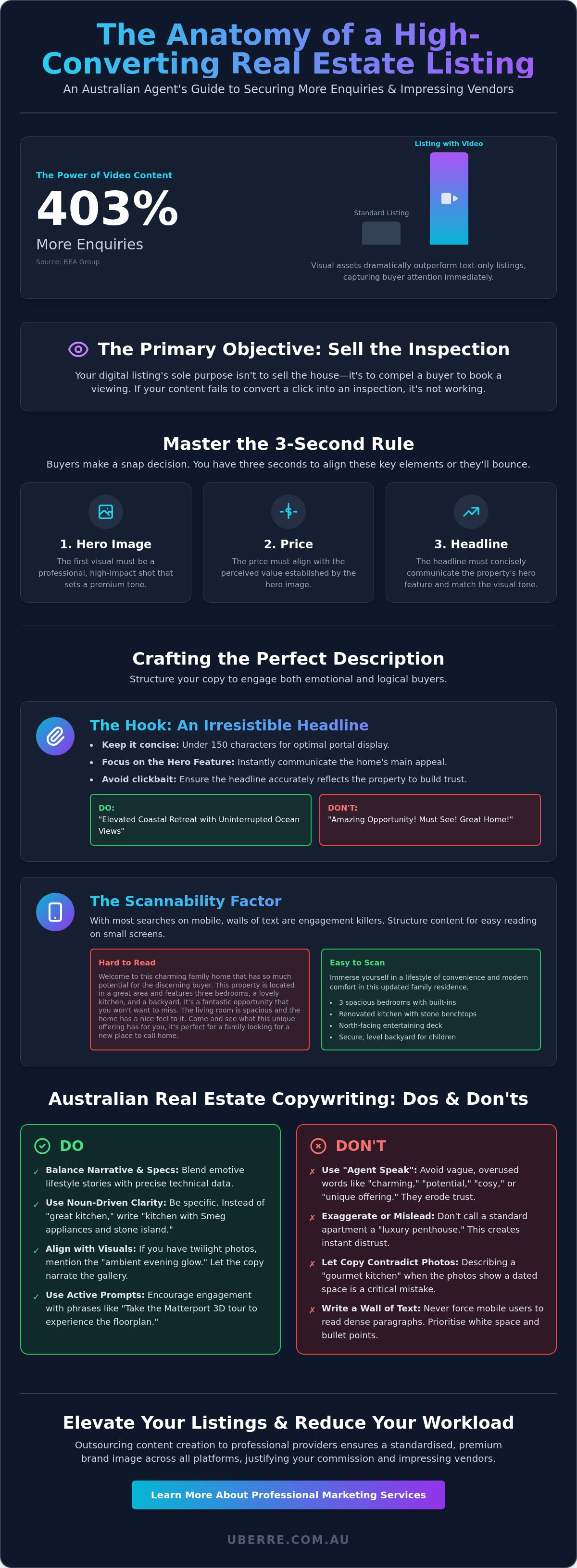
Did you know that listings featuring video content generate 403% more enquiries according to REA Group? In a market where every buyer starts their search online, your digital presence is your only chance to make a first impression. Mastering how to write a good real estate listing is the difference between a property that lingers on the portal and one that sparks a competitive bidding war.
You've likely felt the frustration of staring at a blank screen while a vendor waits for their listing to "pop". It's draining when a quality home fails to attract the digital traction it deserves despite your best efforts. We understand that your time is better spent closing deals than struggling with word choice or formatting.
This guide will transform your workflow from a creative chore into a high-converting marketing system. You'll learn to secure more enquiries and impress vendors by blending technical copywriting with premium visual assets. We'll cover everything from structuring property descriptions that close the inspection to leveraging Matterport 3D tours and social media reels for a faster, more professional sales cycle.
• Learn how to write a good real estate listing by balancing emotive lifestyle narratives with high-precision technical specifications. This dual approach captures both emotional and logical buyers simultaneously.
• Master the "3-Second Rule" by aligning your property descriptions with professional visual assets. High-quality media like Matterport 3D tours and twilight photography dictate the tone and impact of your text.
• Eliminate "agent speak" from your vocabulary to build immediate trust. Modern Australian buyers value clear, noun-driven clarity over vague descriptors like "charming" or "potential".
• Optimise your workflow by outsourcing content creation to professional providers. Standardised, high-quality output ensures a premium brand image across all platforms while reducing your administrative workload.
A high-converting listing is a strategic ecosystem. It isn't just a collection of sentences; it's a modular blend of punchy headlines, lifestyle-driven narratives, and precise technical specifications. Understanding how to write a good real estate listing requires a fundamental shift in perspective. Your digital presence doesn't exist to sell the house. Its sole purpose is to sell the inspection. If your content doesn't compel a user to book a viewing, it has failed its primary objective.
Success in the 2026 market relies on the 3-Second Rule. Buyers make a binary choice almost instantly. They scan the primary hero image, verify the price, and read the headline. If these three elements don't create immediate cohesion, the user bounces back to the search results. Because 100% of buyers now use the internet as their primary search tool, professional standards are the non-negotiable baseline for vendor trust. High-quality media and professional copywriting aren't optional extras; they're the infrastructure of a modern real estate brand.
Establishing this baseline justifies your commission and protects your professional reputation. When you present a listing that utilizes standardised, high-end marketing descriptors, you signal to vendors that you're a results-driven partner rather than a casual agent. This technical confidence builds immediate rapport before you even pick up the phone.
Your headline is the entry point. To ensure optimal display across Australian property portals, keep this text under 150 characters. Focus exclusively on the property's "Hero Feature" to grab attention. Phrases like "Modernised Family Entertainer" or "Elevated Coastal Retreat" provide immediate context. Avoid clickbait or exaggerated claims. If your headline promises a "Luxury Penthouse" but the photos show a standard apartment, you'll lose buyer trust instantly. Use specific, quality-focused adjectives that align with the visual assets provided in the gallery.
Mobile devices account for the vast majority of property searches. Walls of text are engagement killers on small screens. Applying fundamental copywriting principles means prioritising white space to guide the reader's eye. Break your content into digestible modules. Use short, punchy sentences to describe the lifestyle benefits, then transition into clear bullet points for the technical data. This structure satisfies the emotional buyer looking for a dream home and the logical buyer requiring specific dimensions and features. A scannable listing respects the user's time and facilitates a faster conversion process.
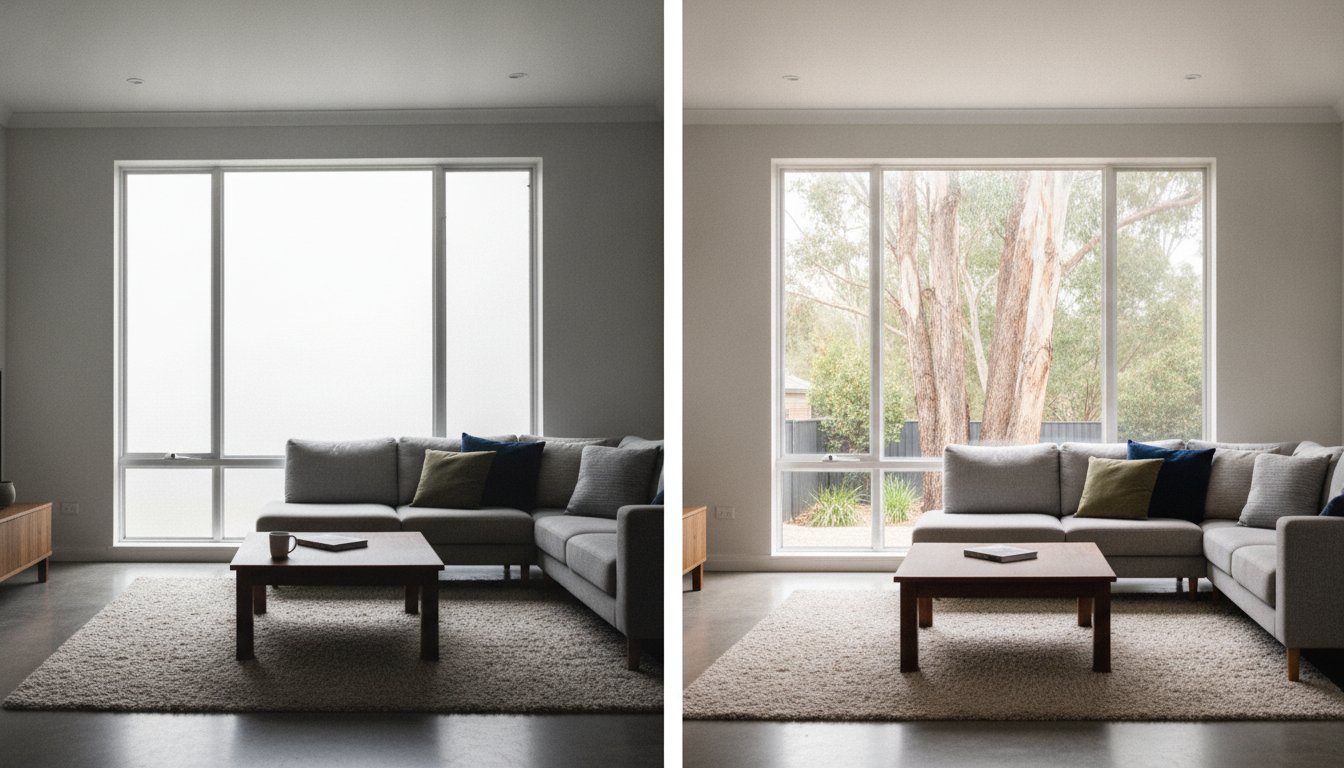
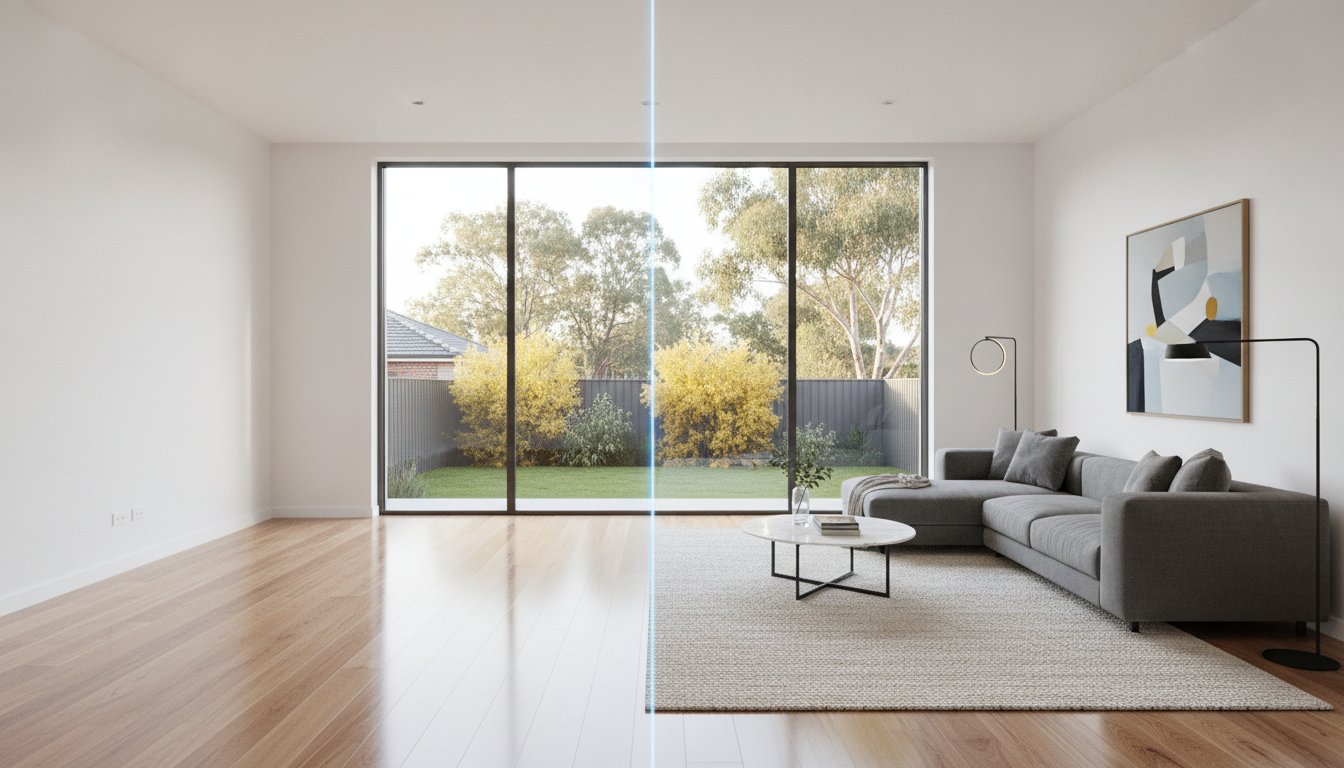
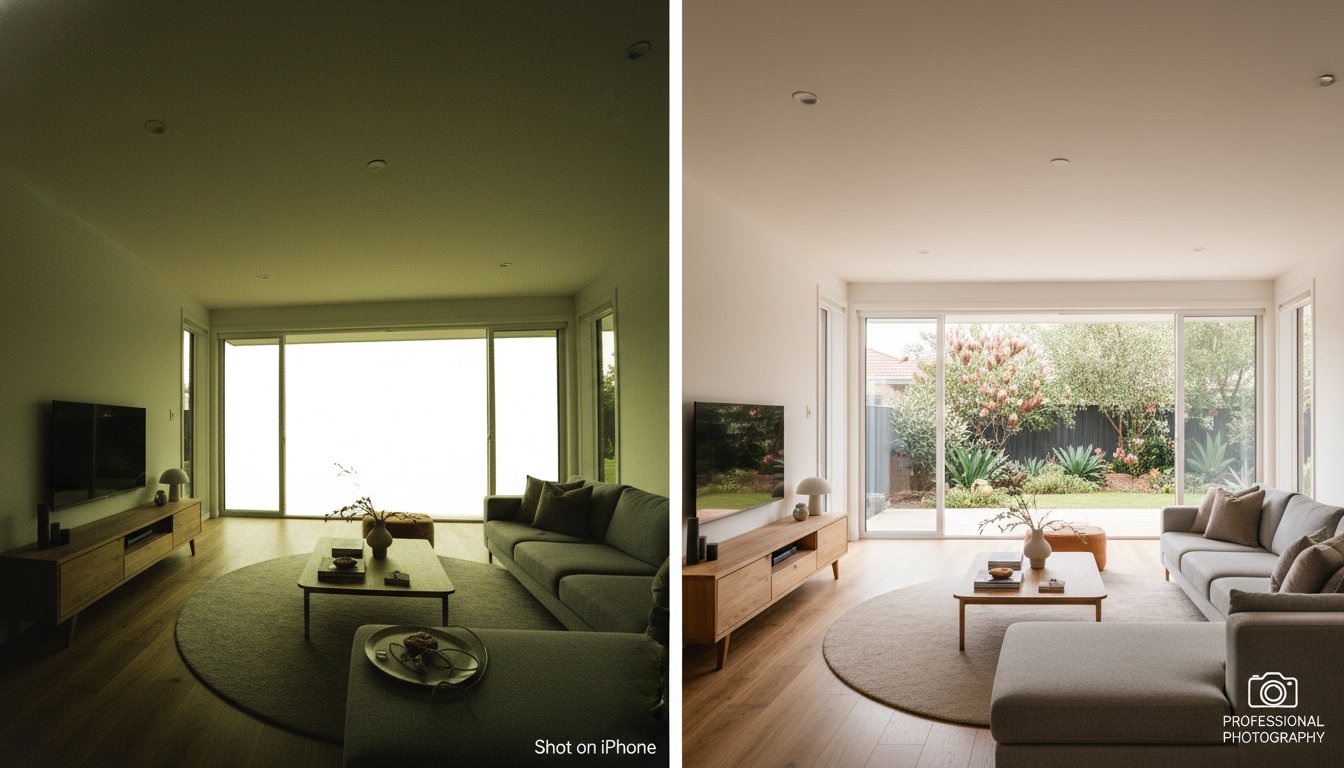
Visual hierarchy is the silent architect of buyer engagement. While copywriting provides the details, your imagery provides the proof. Integrating these elements effectively is the secret to how to write a good real estate listing that converts. High-quality property images establish the emotional tone. Your text should act as the narrator, guiding the buyer through the visual gallery. It's a partnership between pixels and prose that establishes immediate technical confidence.
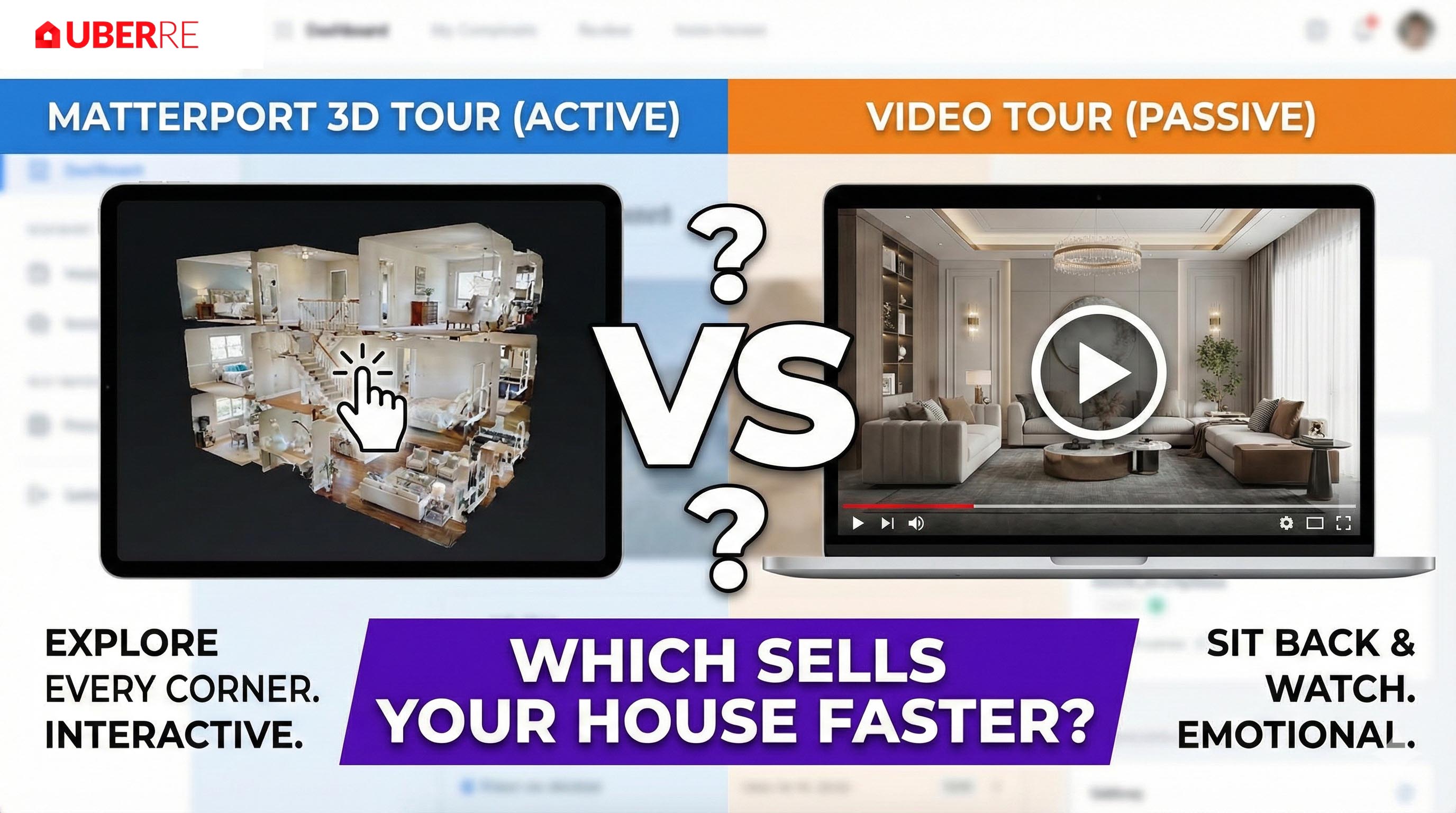
Don't let your copy exist in a vacuum. It's a mistake to describe a kitchen as "gourmet" if the photos look dated. If a photo showcases a sleek kitchen island, your text must highlight the "premium stone finishes" to reinforce the visual value. This synchronicity builds a cohesive narrative that feels both authoritative and trustworthy. Referencing specific assets like Matterport 3D tours or social media reels within the description encourages users to interact longer with the listing. Active prompts like "take the virtual tour to experience the flow" turn a passive viewer into an active lead. Mastering how to write a good real estate listing requires this deep understanding of visual integration.
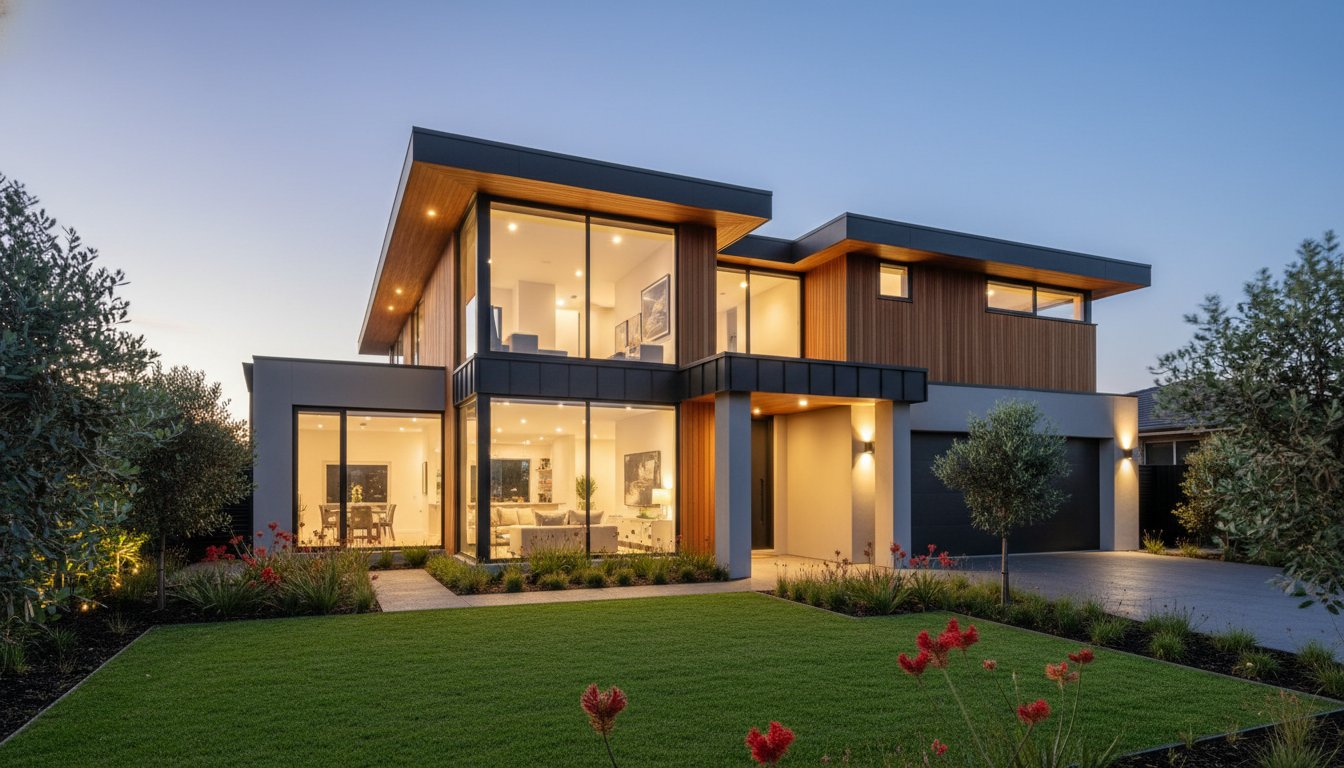
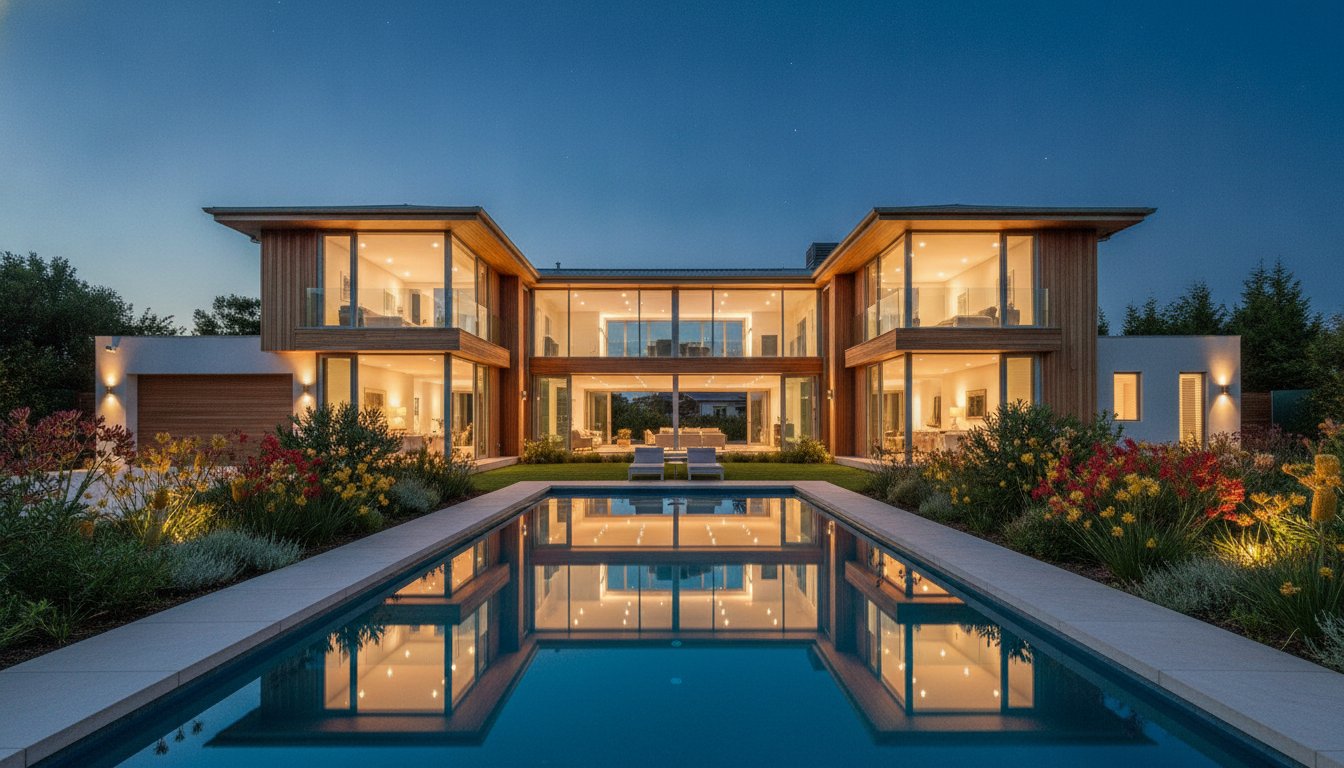
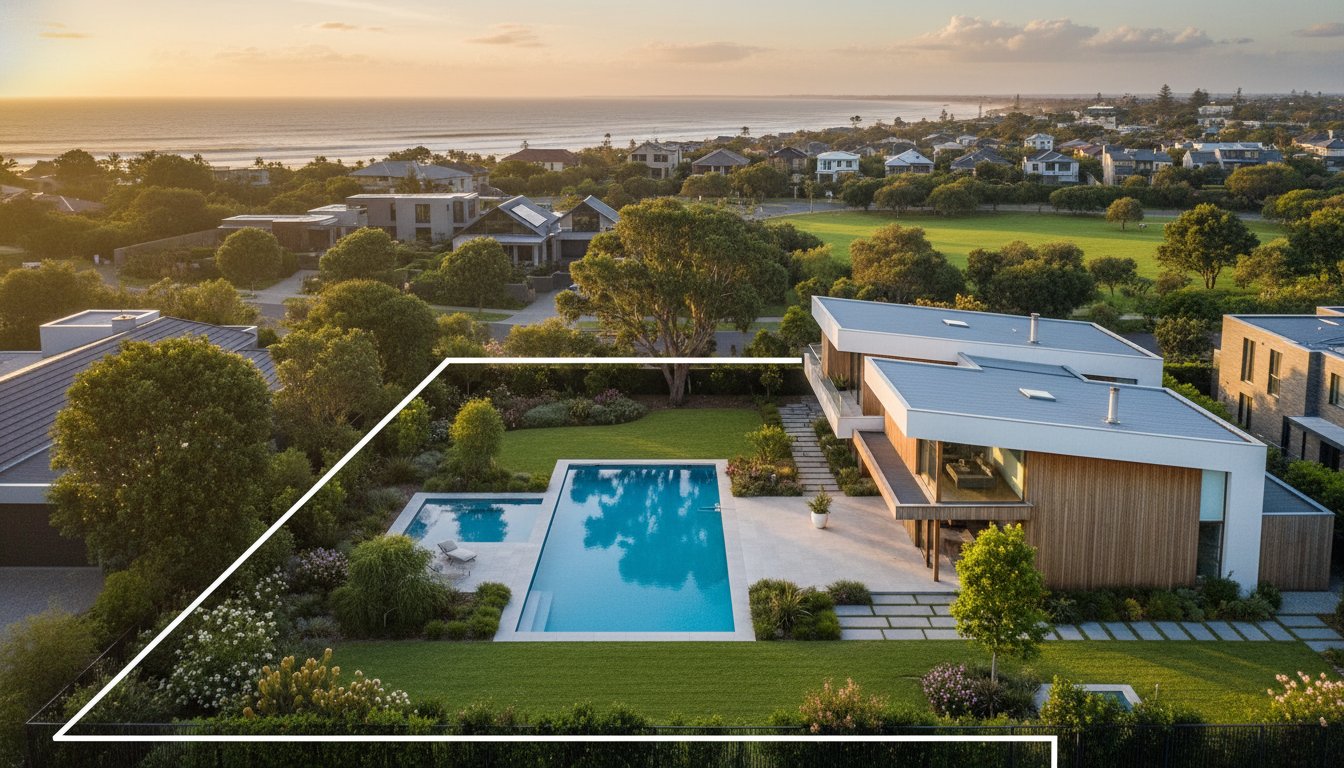
Establishing a premium standard starts with professional real estate photography. Your adjectives must reflect the tier of media presented. If you've invested in twilight photography, describe the "ambient evening glow" captured in those specific frames. This alignment prevents a disconnect between what the buyer sees and what they read. For a deeper dive into structure, consult this comprehensive guide to writing real estate listings. Use your words to highlight specific angles or features that might be missed in a quick scroll, ensuring every visual asset works toward the sale.
Spatial context is something words alone cannot convey. Industry feedback indicates that buyers prioritise listings with clear layouts. Without a plan, they often move to the next property. Floorplans offer the logical map of the home. Use your copy to explain the flow and zoning shown in the plan, such as the separation between the master suite and additional bedrooms. This helps the logical buyer understand the utility of the space before they arrive on-site.
Choosing between textured and standard floorplans depends on the property's target market. A textured plan adds a layer of sophistication for premium builds. Conversely, a site plan is essential for communicating the scale of the land on larger blocks. By explicitly mentioning these tools in your description, you provide a total service assurance to the vendor. To elevate your next campaign, consider integrating professional copywriting services with your visual package. It ensures your brand remains consistent, technical, and results-driven across every platform.
Effective structure bridges the gap between seeing a property and knowing it. It organises information into modular components that cater to different psychological profiles. A balanced listing uses editorial prose to engage the heart and bulleted data to satisfy the head. Mastering how to write a good real estate listing requires a strategic split in your formatting to ensure no buyer segment is ignored.
The goal is to provide a seamless transition from the visual gallery to the written word. If your imagery has done its job, the buyer is already interested. Your structure must now provide the depth required to move them toward an enquiry. Avoid the common mistake of repeating the portal's automated tick-boxes. If the site already lists "3 bedrooms" and "2 bathrooms" at the top, don't waste your first paragraph restating those facts. Use that space to add value and provide context that the automated fields cannot capture.
The editorial section is your opportunity to paint a lifestyle picture. Focus on benefits rather than just features. Instead of stating there is a "large deck", describe how a buyer can "enjoy morning coffee on the sun-drenched deck while overlooking the garden". This approach targets the emotional buyer persona. Whether you're writing for a first home buyer or a downsizer, use sensory language to create an atmosphere. Words like "light-filled", "quiet", and "spacious" help the reader imagine themselves living in the home. Keep this section concise; three to four well-crafted sentences are often more effective than a long-form essay.
Once the emotional hook is set, the logical buyer requires technical data. Group your features logically to maintain a professional, organised flow. Use categories such as Kitchen and Dining, Sleeping Quarters, and Outdoor and Parking. This modular approach makes the information digestible at a glance. Highlighting technical upgrades is essential in the 2026 market. Include details on solar power systems, smart home technology, or recent renovations that add tangible value. Keep each bullet point short, ideally limited to a single line. This maintains the scannability of the listing on mobile devices and ensures the most important specs aren't buried in a block of text.
Every successful listing must conclude with a direct Call to Action (CTA). Your purpose is to move the prospect to the next stage of the sales cycle. Use imperative verbs to drive engagement. Phrases like "Contact us today to arrange your private inspection" or "Register for the upcoming open home" provide clear direction. A strong CTA removes friction from the conversion process and ensures your high-quality marketing leads to a confirmed viewing. By combining an emotive narrative with a data-driven list, you provide the total service assurance that modern vendors expect from a premium agent.
Precision in language signals technical expertise. When considering how to write a good real estate listing for the Australian market, local nuance is essential. Buyers on REA and Domain expect specific terminology that aligns with their lifestyle and regional expectations. Using Americanised spelling or vague international terms can create a subtle sense of disconnect that undermines your brand's authority.
Always adhere to Australian English spelling conventions. Ensure you use "colour", "centre", and "modernise" throughout your text. Beyond spelling, check your CRM integration settings before pushing a listing live. CRM systems often strip formatting or add unnecessary spaces when syncing with external portals. These technical errors result in erratic line breaks or corrupted characters on portal displays. Such glitches suggest a lack of attention to detail, which can alienate high-end vendors.
Accuracy regarding suburb boundaries and proximity to local infrastructure is vital. Buyers often filter by school zones or walking distance to train stations. Providing precise data on these features improves your search relevance and reduces unqualified enquiries. Manually checking the layout on both REA and Domain is a mandatory step in a high-quality marketing workflow.
Professionalism requires the elimination of "agent speak". Terms like "charming" or "potential" are often interpreted as code for "small" or "needs extensive work". Replace these tired clichés with noun-driven clarity. Delete overused adjectives like "stunning", "unique", or "opportunity" to make room for specific technical details. Utilise established Australian terms such as "ensuite", "alfresco", "built-in robes", and "double lock-up garage" to provide immediate context. Clarity always outperforms cleverness because buyers value accurate data over marketing fluff.
Maintain an authoritative tone by following strict grammar protocols. Avoid using ALL CAPS for headlines or body text; this is perceived as "shouting" and looks unprofessional on premium platforms. Limit the use of exclamation marks. A single exclamation point can emphasise a point, but multiple marks suggest desperation rather than excitement. This disciplined approach to punctuation preserves the corporate, results-driven feel of your listing.
Implement the "Double-Check" rule. Review the listing on a mobile device once it is live. This allows you to verify that proximity mentions for schools and transport are accurate and that the formatting remains intact across different screen sizes. If you want to ensure your property descriptions meet this premium standard every time, you can outsource your professional copywriting to our specialist team. This allows you to focus on the sale while we handle the technical output required for effective marketing.
Professional agents recognise that administrative efficiency is the backbone of a successful agency. While understanding how to write a good real estate listing is a vital skill, executing it at scale requires significant time. Outsourcing content creation allows you to reclaim hours spent on drafting, proofreading, and formatting. This shift in focus enables you to prioritise high-value activities like appraisals and final negotiations. The return on investment for professional services is clear. High-quality output reduces days on market and helps secure the premium sale prices that impress your vendors.
Speed matters. Our 24-hour turnaround ensures your campaign momentum remains high from the moment the photography is captured. By bundling services, you create a unified visual and textual package that wins the listing during the initial pitch. When you master how to write a good real estate listing through professional partnership, you ensure every property in your portfolio maintains a standardised, elite brand image. This consistency builds immediate trust with both current vendors and future prospects.
Expert property storytellers move your marketing from generic to compelling. They understand how to extract the "hero features" of a home and translate them into a narrative that resonates with specific buyer personas. This service ensures your agency's voice remains consistent across all team members. It eliminates the "writing block" that often delays a listing launch. By utilising professional copy, you provide a total service assurance that your marketing is technically precise and emotionally engaging.
A "Gold Standard" listing requires a multi-dimensional approach. Combining day or twilight photography with Matterport 3D tours provides the spatial context modern buyers demand. These high-tech offerings work in tandem with your written description to create a seamless user experience. You can also leverage social media reels to drive traffic back to the written listing on major portals. This integrated ecosystem ensures your property receives maximum exposure across all digital touchpoints.
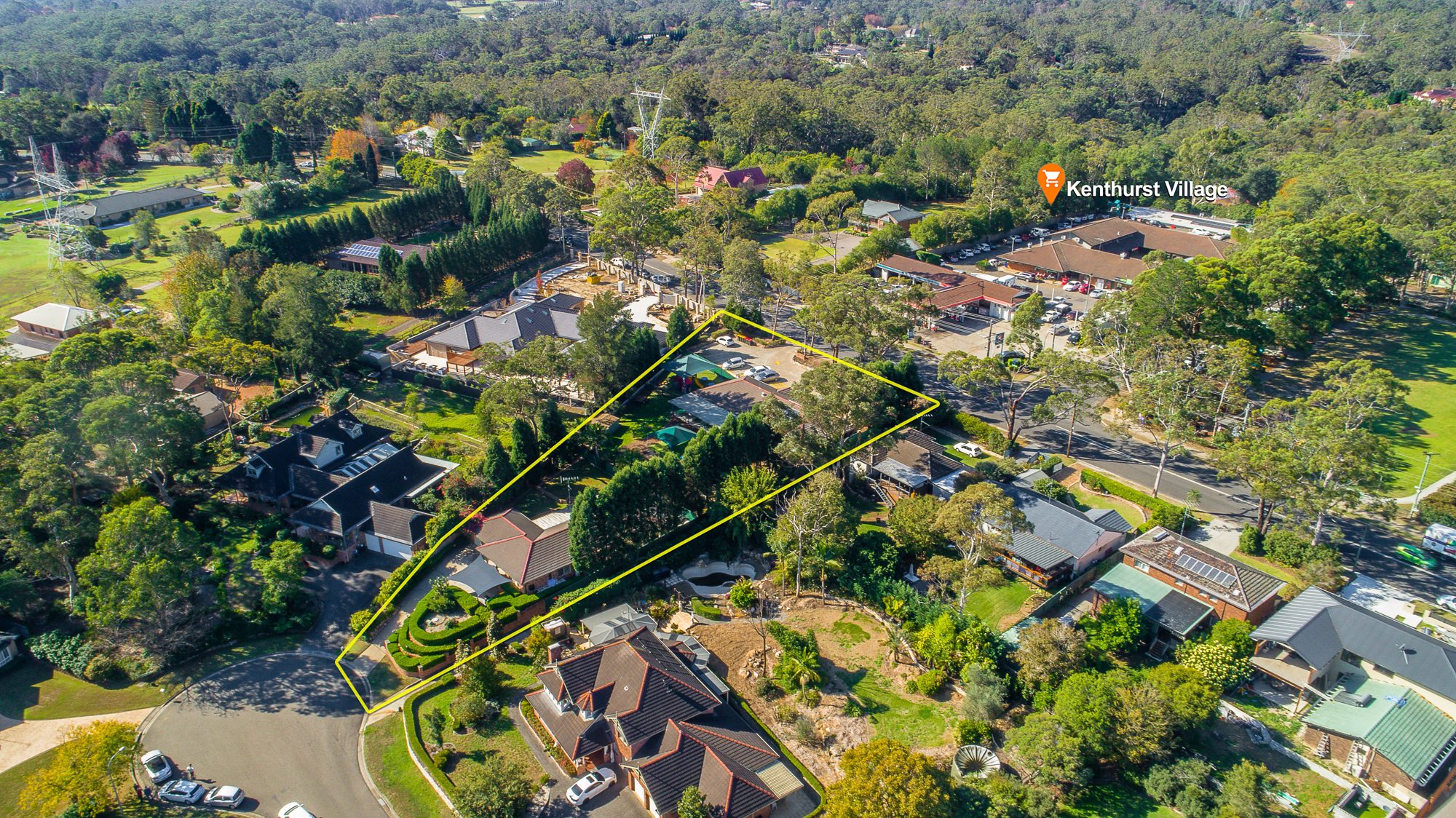
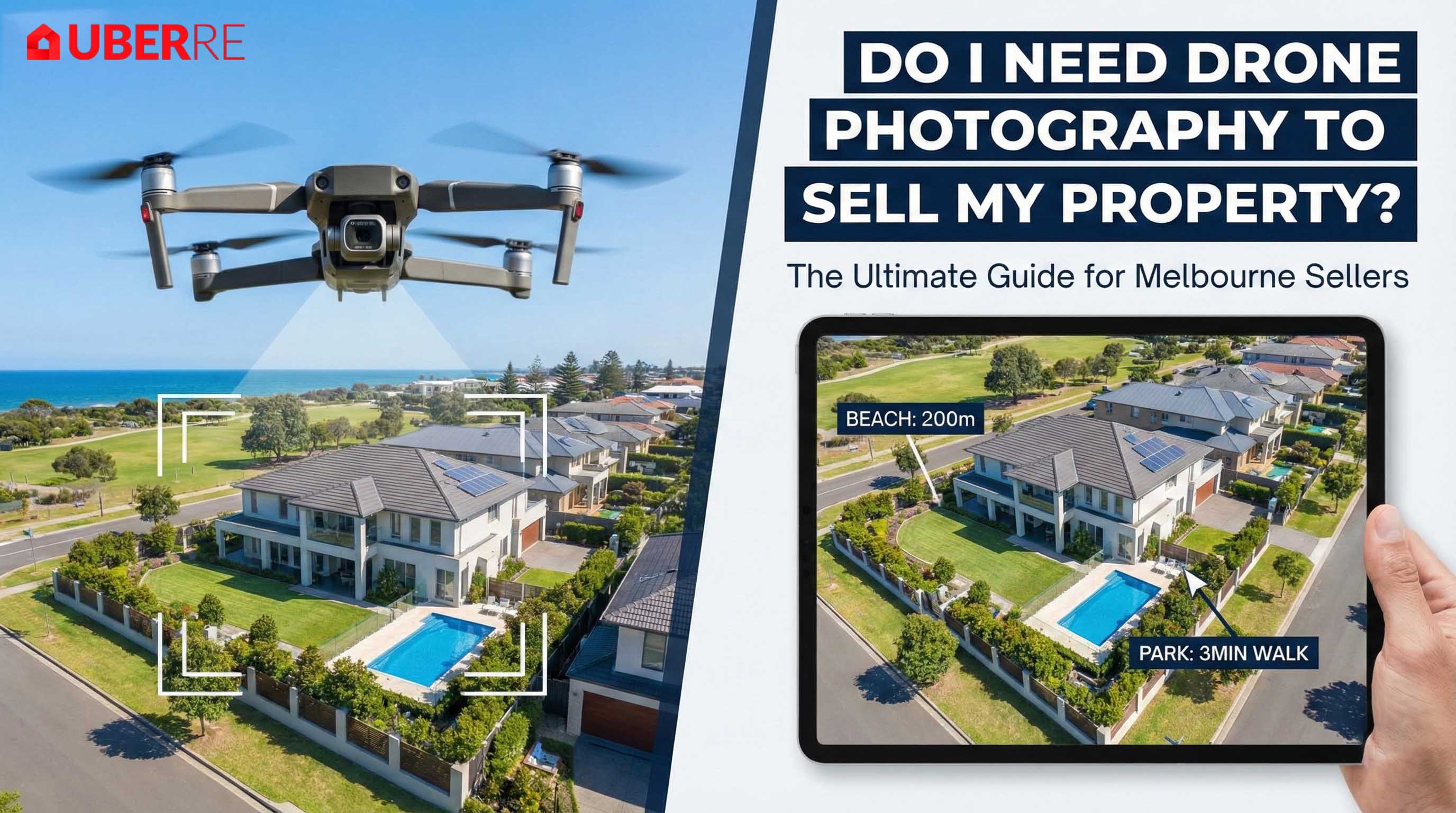
Strategic marketing is about more than just photos; it is about a cohesive brand commitment. Using aerial video or textured floorplans adds a layer of sophisticated data that justifies your commission. Every element of the suite is designed to move the prospect closer to an inspection. This results-driven methodology is what separates top-performing agents from the rest of the market. Organise your next high-impact property listing with UberRE to experience the efficiency of a premium, tech-integrated solution provider.
A high-performing listing is no longer just about words on a page. It's a technical ecosystem where professional imagery, Matterport 3D tours, and precise copywriting work in unison to secure the click. By balancing emotive lifestyle narratives with logical data, you provide the clarity buyers demand in the fast-paced 2026 market. Mastering how to write a good real estate listing is essential, but maintaining this standard across every property requires a scalable marketing partner.
Efficiency is your greatest asset in a competitive landscape. Elevate your property marketing with UberRE’s professional services to ensure your brand remains at the forefront of the industry. We provide national coverage across Australia with a guaranteed 24-hour turnaround on visual content, allowing you to launch campaigns faster and with total service assurance. From textured floorplans to professional copywriting, our comprehensive suite is designed to drive higher enquiry rates and faster sales cycles.
Take control of your digital presence and start impressing your vendors today. Your next record-breaking sale begins with a superior listing.
Aim for a description between 200 and 300 words. This length allows you to balance a lifestyle narrative with technical specifications without overwhelming mobile users. Focus on high-impact sentences rather than filler text. If you're wondering how to write a good real estate listing that converts, prioritising scannability over word count is the most effective technical strategy for modern portals.
Yes, a floorplan is a non-negotiable component of a professional campaign. It provides essential spatial context that words and photos cannot convey. Industry data suggests that 1 in 3 buyers won't enquire without seeing a layout first. Whether you use a standard or textured floorplan, providing this data reduces friction and ensures only qualified leads book an inspection.
The "Hero Feature" is the most important element to highlight. This is the unique selling point that sets the property apart from the competition, such as a north-facing alfresco area or a recent architectural renovation. Identifying this feature early helps you structure the headline and narrative. Ensure this feature aligns with your professional photography to create a cohesive and trustworthy digital presence.
You can use AI for initial drafts, but it requires significant human oversight to ensure technical accuracy and local nuance. AI often lacks the specific Australian context and "Agent Speak" filters required for a premium result. For a total service assurance, professional copywriting remains the gold standard. It ensures your agency's voice stays consistent and free from the generic phrasing typical of automated tools.
Focus on the "potential" and "opportunity" by highlighting the land size, zoning, or structural bones. Use terms like "blank canvas" or "renovator’s delight" to attract the right buyer persona. Instead of hiding the condition, pivot the narrative toward the future value. Combining this with a site plan or aerial photography helps buyers visualise the scale of the project before they arrive on-site.
Use location-specific terms and high-intent features like "ensuite", "built-in robes", and "walking distance to transport". Mentioning specific school zones and local shopping hubs is also vital for search relevance on Australian portals. Integrating these nouns into your description improves your visibility. Understanding how to write a good real estate listing involves selecting keywords that reflect the actual lifestyle needs of your target demographic.
Always follow local state regulations regarding price transparency, such as Victoria's strict underquoting laws. Providing a clear price guide or range reduces unqualified enquiries and builds immediate trust with buyers. If the price is hidden, ensure the value proposition is so compelling that the user feels forced to enquire. Clarity regarding the Statement of Information is a mandatory technical requirement for compliance.
Refresh your listing copy every 14 to 21 days if the property hasn't moved. A stagnant listing can suggest to buyers that there's an issue with the home or the price. Update the headline and the primary hero image to give the campaign a fresh look on search result pages. Use feedback from open homes to address common questions or objections within the updated description to keep it relevant.
Book with UberRE
Photography, video, drones, floor plans and 3D tours from one supplier, with photos ready within 24 hours.
See the service and prices
-2.png)