Did you know that high-quality professional photos can help a property sell up to 32% faster and for 47% more per square foot? According to industry research from February 2026, the quality of your visual marketing is the single most important factor in driving buyer interest. You've likely experienced the frustration of a listing sitting idle because the lead image didn't grab attention. Capturing curb appeal in photos is about more than just a clear day; it's about engineering a high-performance marketing asset that commands clicks. It's difficult when overcast weather or cluttered streetscapes distract from a house, but these hurdles don't have to compromise your brand.
We'll show you how to master the technical and creative strategies required to produce exterior property photos that stop the scroll and drive higher click-through rates. You'll learn how to leverage professional lighting, navigate current drone regulations, and use digital enhancements to ensure every property looks its best. This guide provides a blueprint for creating hero shots that lead to faster sales cycles and a more professional image for your agency. From timing the perfect twilight shoot to removing distractions with AI tools, we're covering the essential tactics for the modern Australian market.
• Understand the digital "half-second rule" to ensure your hero shot instantly captures buyer interest on competitive property portals.
• Adopt the 45-degree Power Angle to communicate architectural depth and scale, avoiding the flat perspective of traditional straight-on photography.
• Apply the "Zero Clutter" protocol and landscaping prep to remove visual distractions when capturing curb appeal in photos.
• Use advanced tech like aerial photography and digital sky replacement to guarantee premium results, even during a grey Australian winter.
• Align your exterior visuals with textured floorplans and social media reels to create a streamlined, multi-channel marketing campaign.
In the 2026 real estate market, curb appeal has transitioned from the physical pavement to the high-resolution screens of mobile devices. It's no longer defined by a potential buyer driving past a property at 40 kilometres per hour; it's about the thumb-stop on a smartphone. Effectively capturing curb appeal in photos is now the primary driver of listing success. Digital curb appeal is the immediate visual impact a property makes within a portal's search results. This visual standard functions as a high-tier marketing descriptor, signalling the quality of the listing before a single word of copy is read.
The "half-second rule" dictates the success of your listing. Buyers make an emotional judgment on a property in less time than it takes to blink. If the hero shot fails to resonate instantly, the user scrolls past, and the opportunity is lost. High-impact imagery triggers specific psychological responses:
A clean, well-lit exterior suggests a lifestyle upgrade.
Professional visuals signal an agent who invests in their vendor's results.
Correct lens heights and angles establish the property's physical presence.
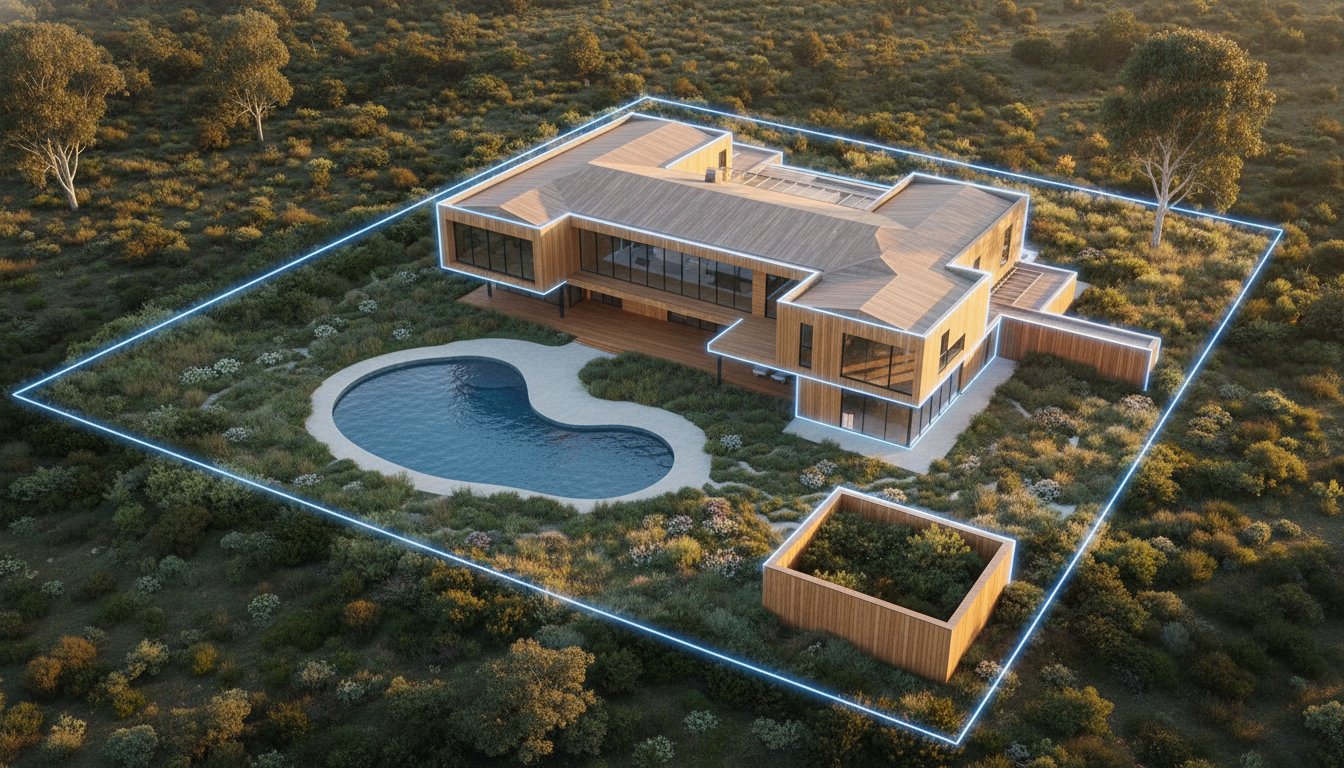
Achieving the perfect hero shot requires more than just pointing a lens at a facade. It's a technical exercise in geometry and light. The 45-degree "Power Angle" is the industry benchmark for capturing curb appeal in photos. By positioning the camera at an angle to the home, you reveal three-dimensional depth and scale that a flat, straight-on shot simply cannot convey. Straight-on photography often devalues a property's presence by making it appear two-dimensional and hiding the architectural character of the side elevations. Use this angle to show how the home sits on the block and to highlight the relationship between the entrance and the garden.
In the Australian context, managing the sun is the greatest technical hurdle. Harsh midday light creates deep, unattractive shadows under eaves and "blown-out" white highlights on rendered walls. Schedule shoots for early morning or late afternoon when the light is softer and more directional. Use leading lines, such as driveways or garden paths, to guide the buyer's eye directly to the primary entrance. This creates a clear visual narrative that invites the viewer into the home. If the sun is working against you, professional standardisation ensures these highlights are balanced during the post-production phase.
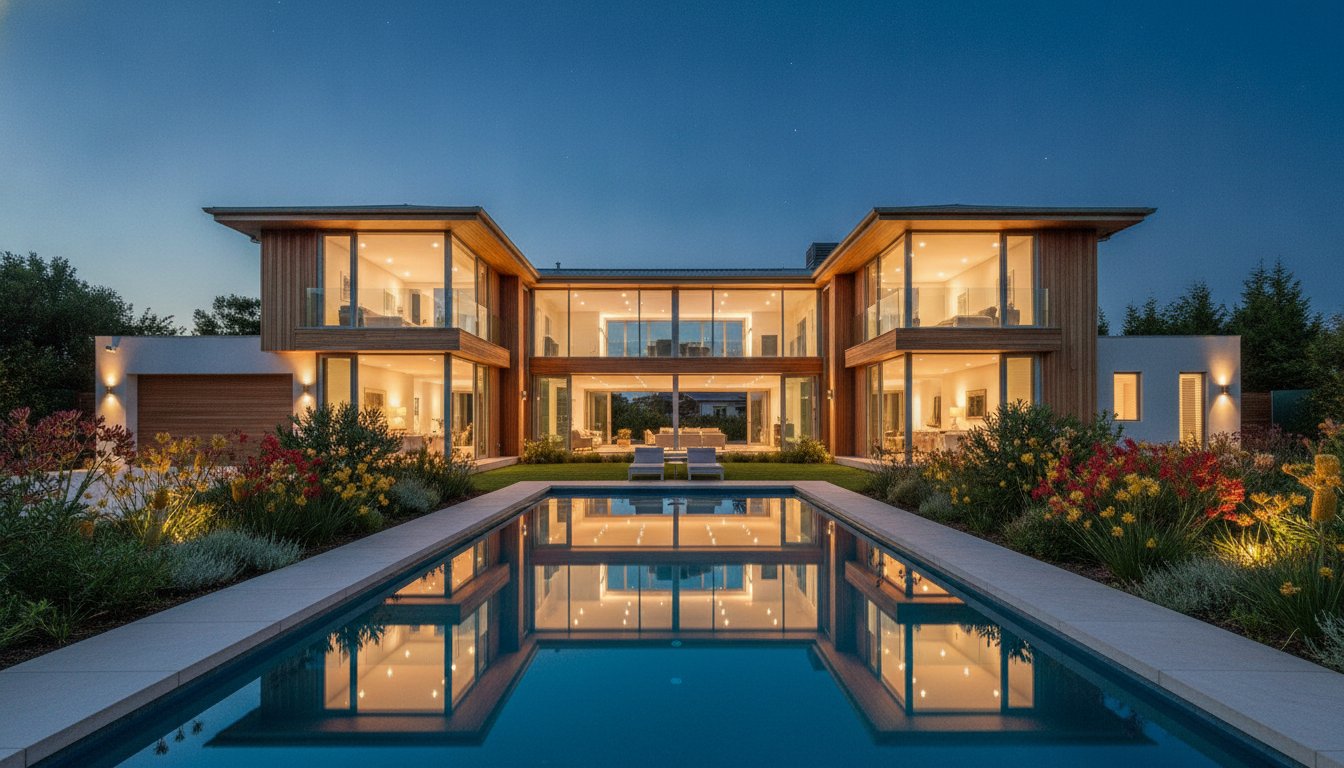
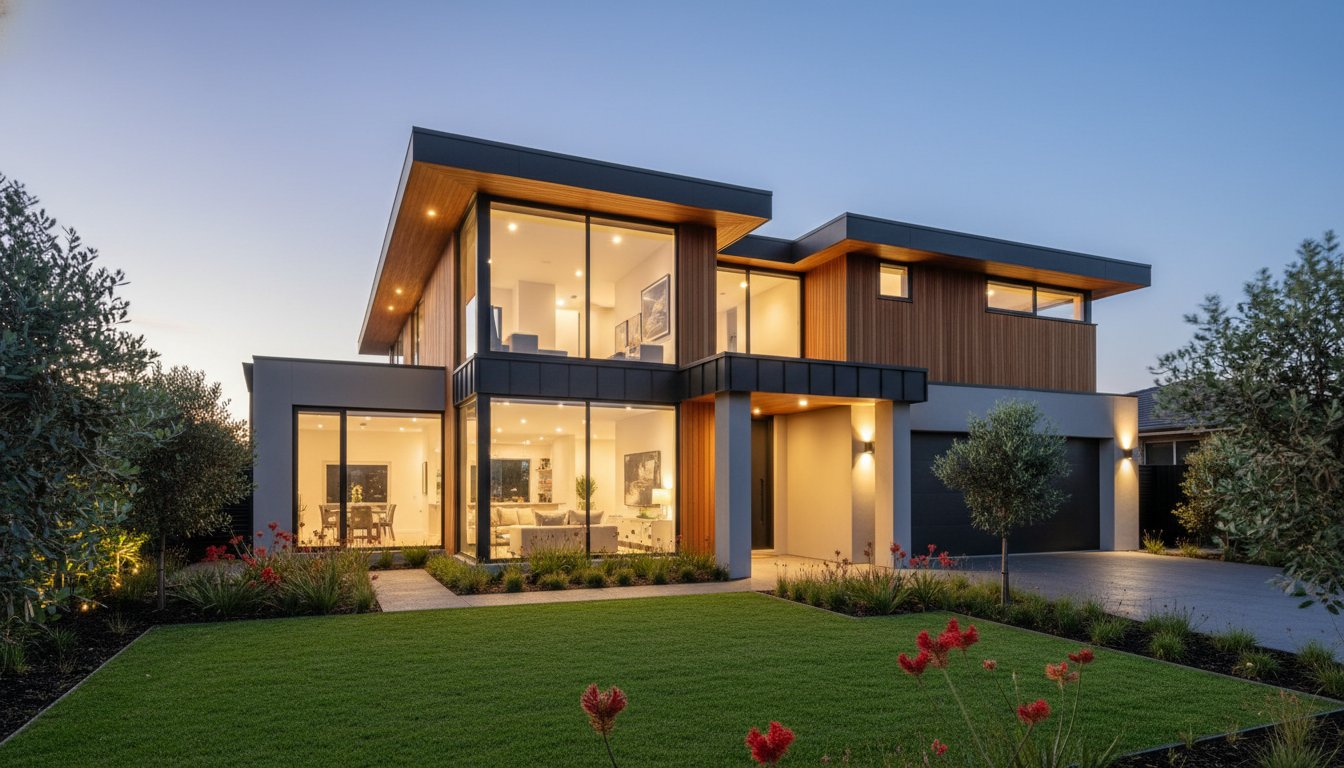
Twilight photography is the gold standard for high-end Australian listings. It creates a powerful emotional connection by showcasing interior lights glowing warmly against a deep cobalt sky. This effect relies on a strict 20-minute window between sunset and total darkness. Missing this window results in muddy colours or excessive digital noise. To secure this premium look for your next campaign, you can register your agency account to access specialised evening slots and ensure your listing stands out on the portal.
Perspective dictates the property's perceived status. The "Low-Angle Hero" shot involves lowering the tripod to roughly waist height, making the home appear more majestic and imposing. However, this technique requires precise vertical line correction. Ensure all vertical lines, such as door frames and corners, are perfectly straight to prevent the house from appearing to lean backwards. This deliberate perspective also helps clear street-level obstructions like parked cars or overgrown kerbside foliage, focusing the viewer's attention entirely on the home's architectural merits.
Physical preparation is the foundation of digital success. Before the photographer arrives, the property must undergo a rigorous audit to ensure the "Zero Clutter" rule is met. This means removing every wheelie bin, garden hose, and "life artefact" from the frame. Items like children's toys or pet bowls act as visual anchors that drag the viewer's eye away from the architectural features you want to highlight. Capturing curb appeal in photos is about presenting a polished, idealised version of the home that feels both immaculate and inviting.
Landscaping requires specific attention in the 48 hours leading up to the shoot. A mown lawn is the baseline, but the details provide the premium finish that high-end buyers expect.
Dark, fresh mulch in garden beds provides a high-contrast backdrop for greenery and makes plants pop.
Ensure the nature strip is as well-maintained as the main lawn to create a seamless visual flow from the street.
Precise edging along paths and driveways creates sharp, clean lines that the camera lens loves.
The driveway should always be clear. Even a luxury vehicle introduces unwanted reflections and colours that distract from the house itself. A clear driveway allows potential buyers to mentally "park" their own car in the space, fostering an immediate sense of ownership. Adopt a "Movie Set" mentality; you're not just documenting a building, you're staging an aspirational lifestyle. This strategic approach is the most effective way of capturing curb appeal in photos for high-value campaigns.
Council assets like power lines, letterboxes, and street signs often clutter the composition. While high-end property marketing services Australia can manage some of these distractions during post-production, physical tidiness is essential. A clean kerb and gutter are vital. Sweep away leaves and dirt to ensure the transition from the bitumen to the property feels well-cared for and prestigious.
The verandah or porch acts as the visual handshake of the listing. Style these areas with high-quality pots or subtle outdoor furniture to create an inviting entrance that translates well on camera. Uniformity across the facade is equally important. Ensure all windows are cleaned and every blind or shutter is set to an identical height. This creates a sense of symmetry and order, which the human brain naturally interprets as a sign of quality and prestige.

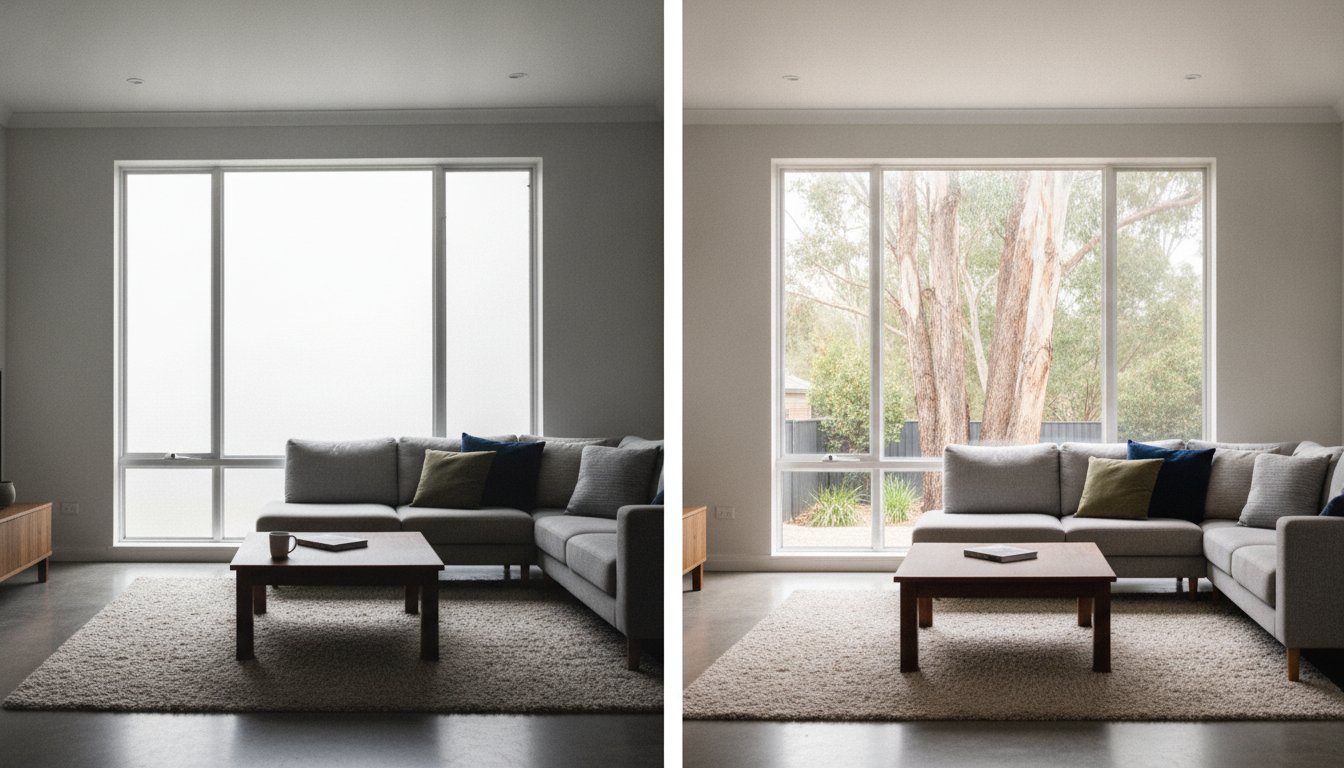
Modern visual marketing relies on a tech-integrated approach to overcome environmental variables. While physical preparation sets the stage, advanced post-production and hardware are essential for capturing curb appeal in photos that outperform the competition. Digital sky replacement is a standard requirement for maintaining a premium brand image. It ensures every listing features a vibrant Australian "blue sky" summer aesthetic, regardless of when the shoot actually occurred. This consistency builds immediate trust and keeps the viewer's focus on the property's potential rather than the weather on the day of the shoot.
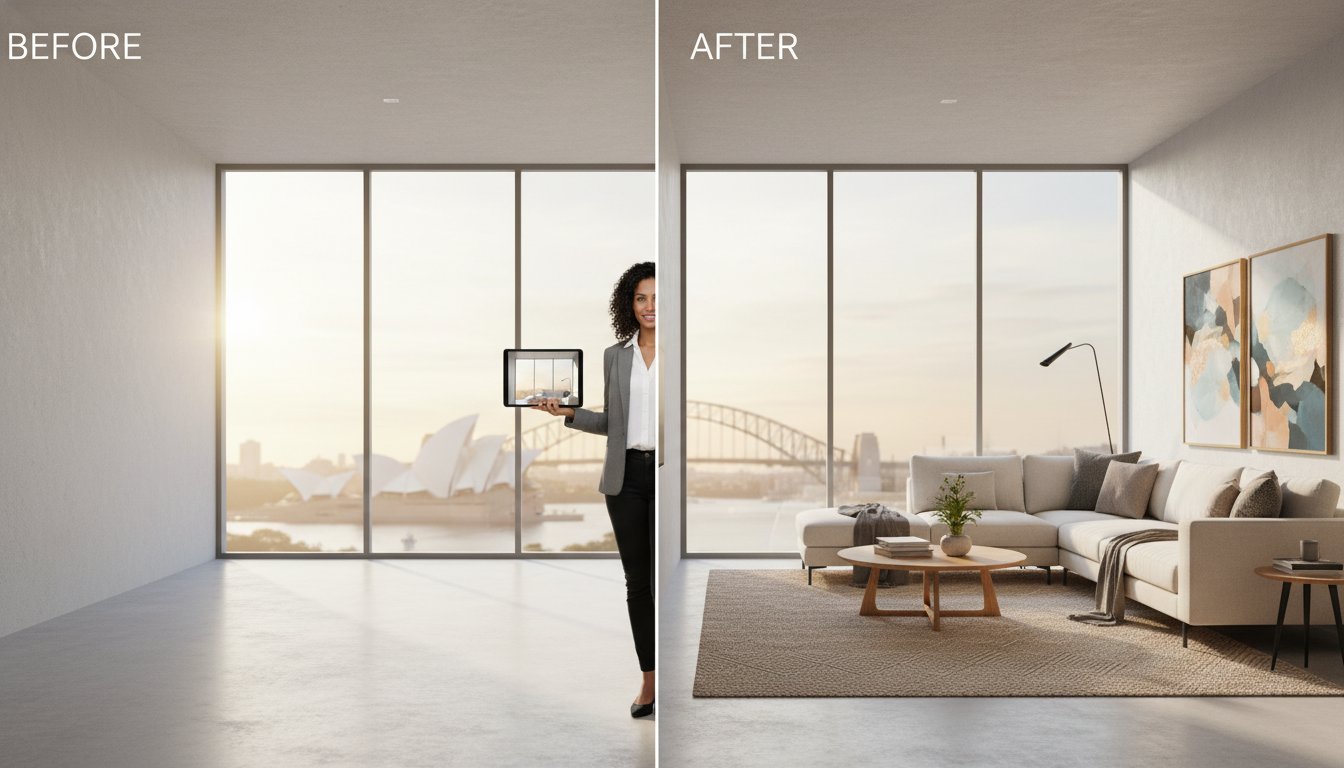
Virtual staging for exteriors has emerged as a critical tool for 2026. This allows agents to add digital greenery to sparse gardens or stylish outdoor furniture to empty alfresco spaces. These enhancements create an emotional connection by showing how the outdoor areas can be utilised for entertaining. Behind the scenes, technical edits like vertical correction and precise colour balancing act as the "invisible" markers of quality. These adjustments ensure that the architecture looks structurally sound and the colours remain true to life, providing a polished output that signals professional reliability.
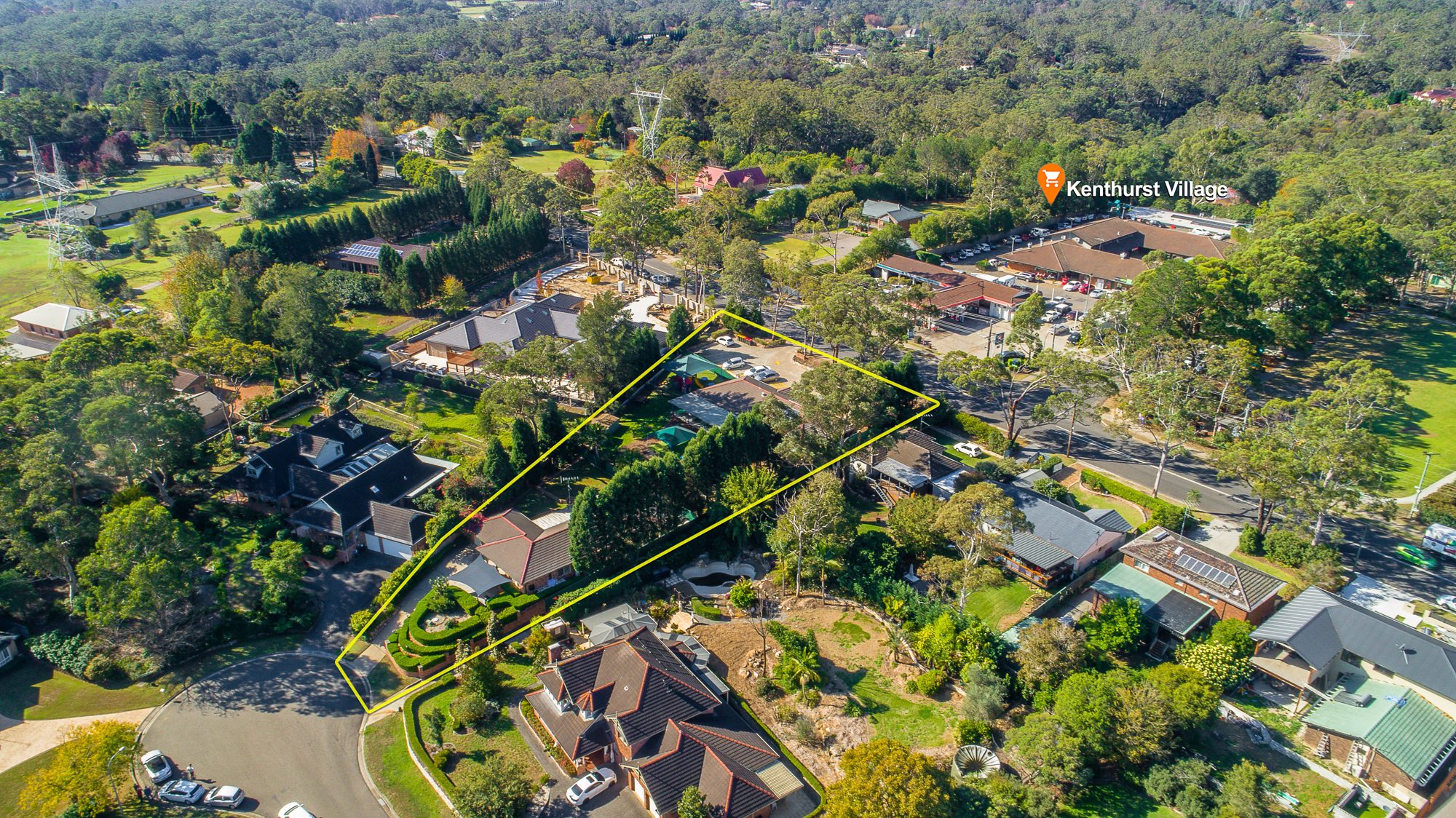
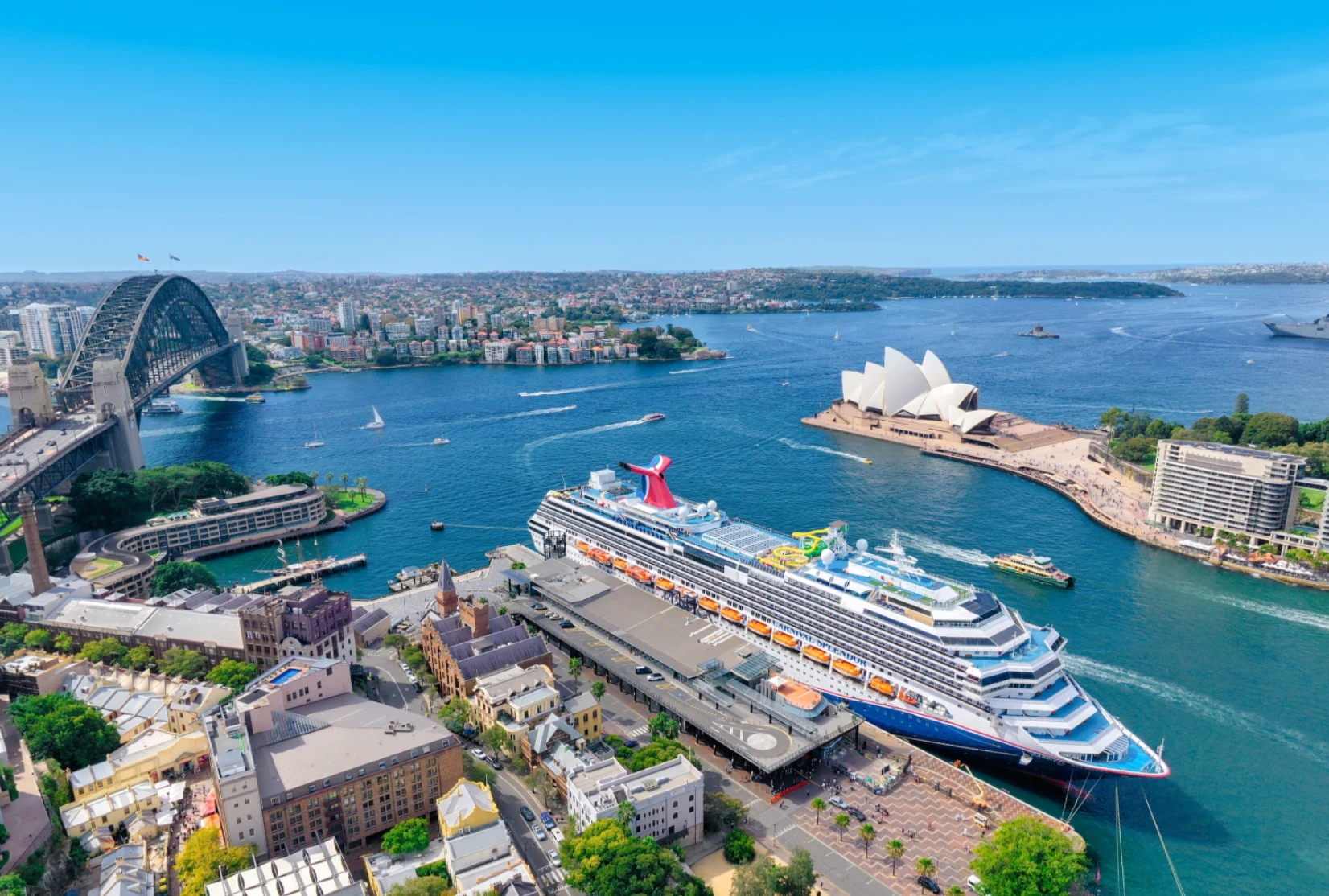
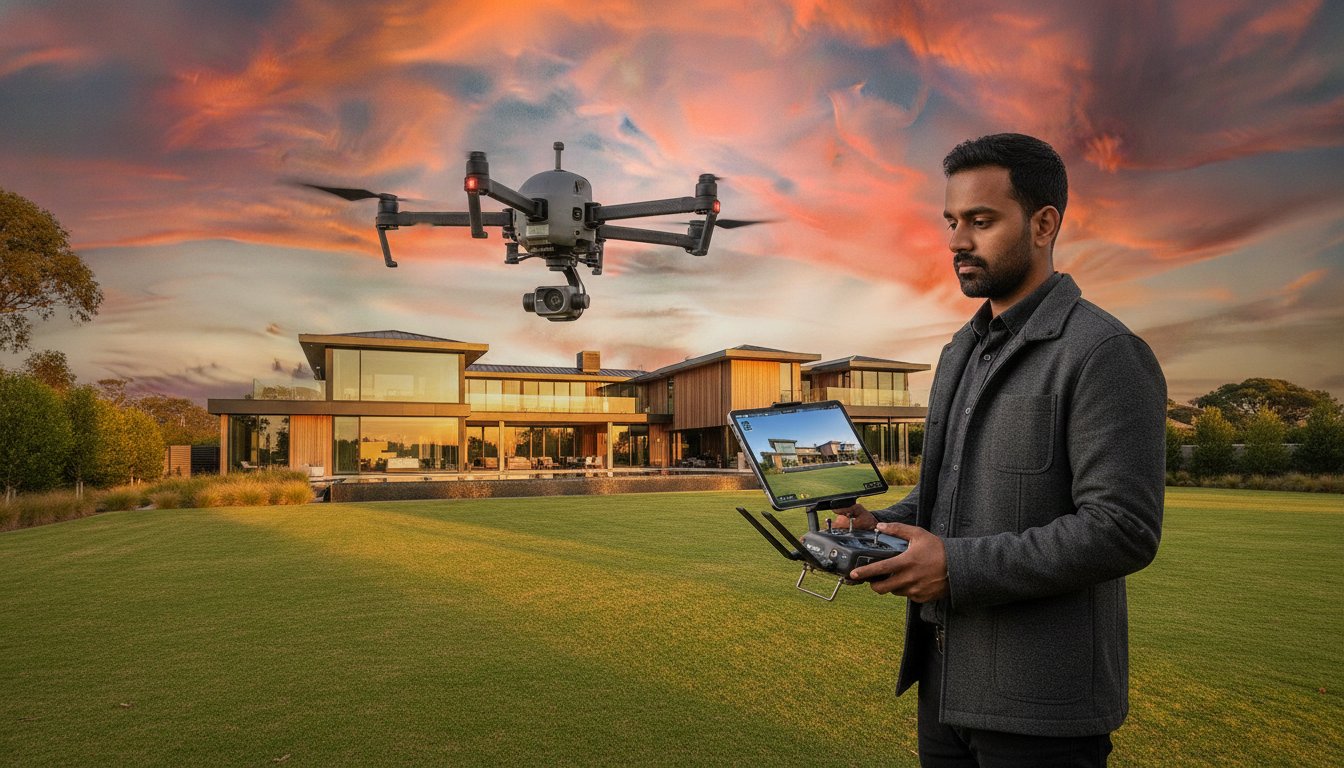
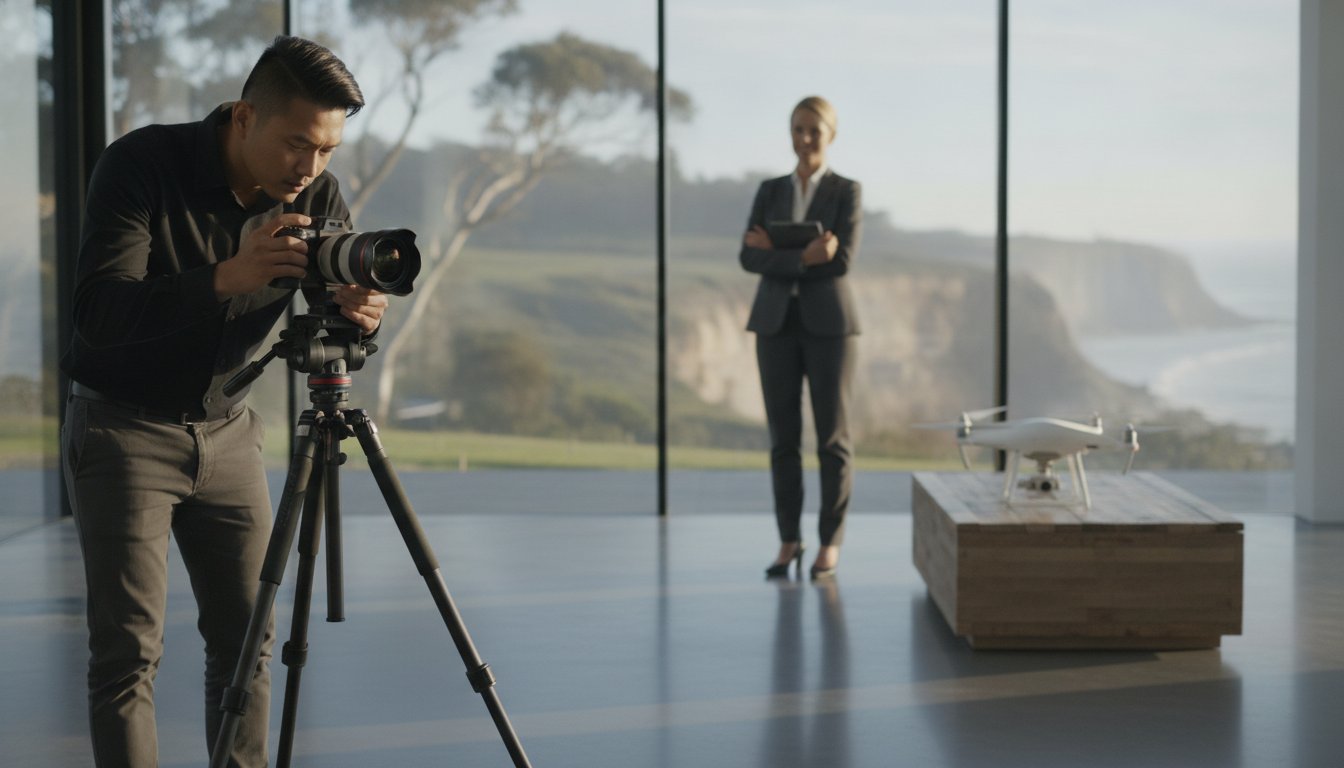
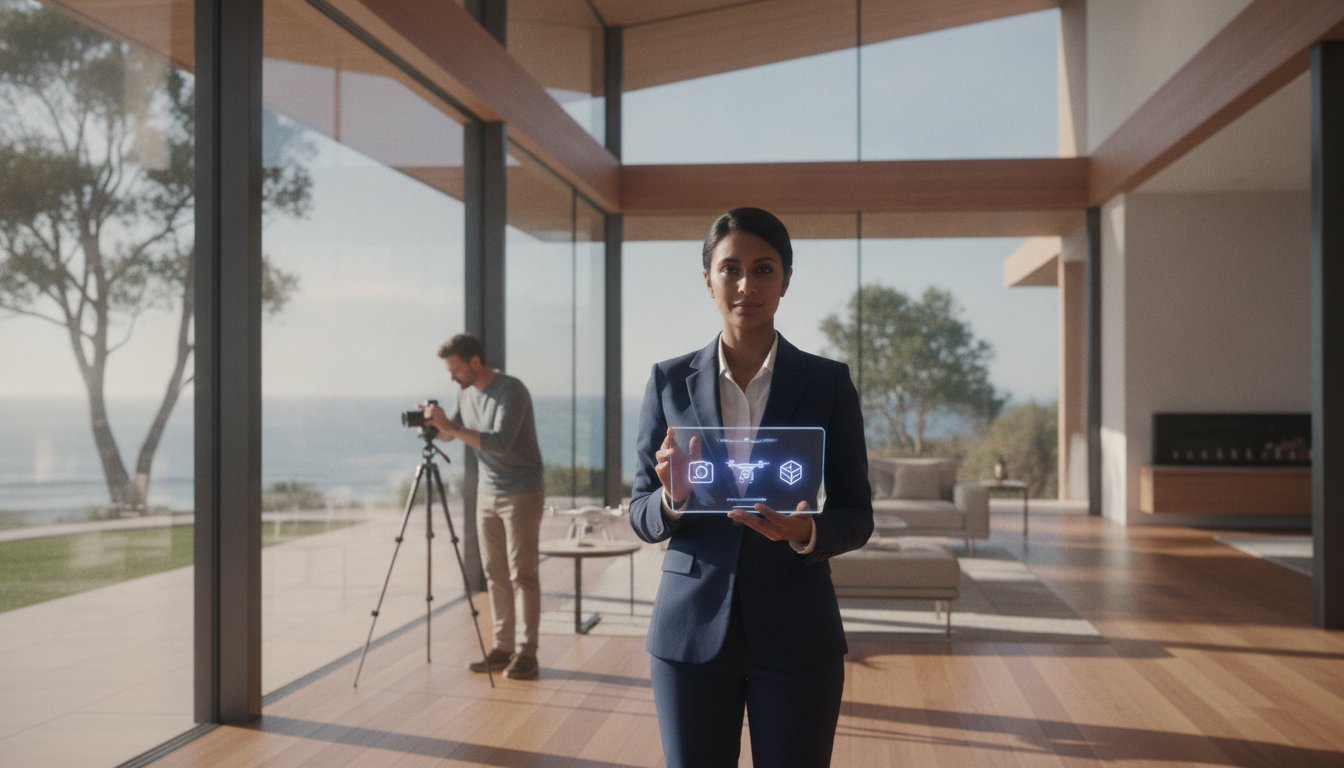
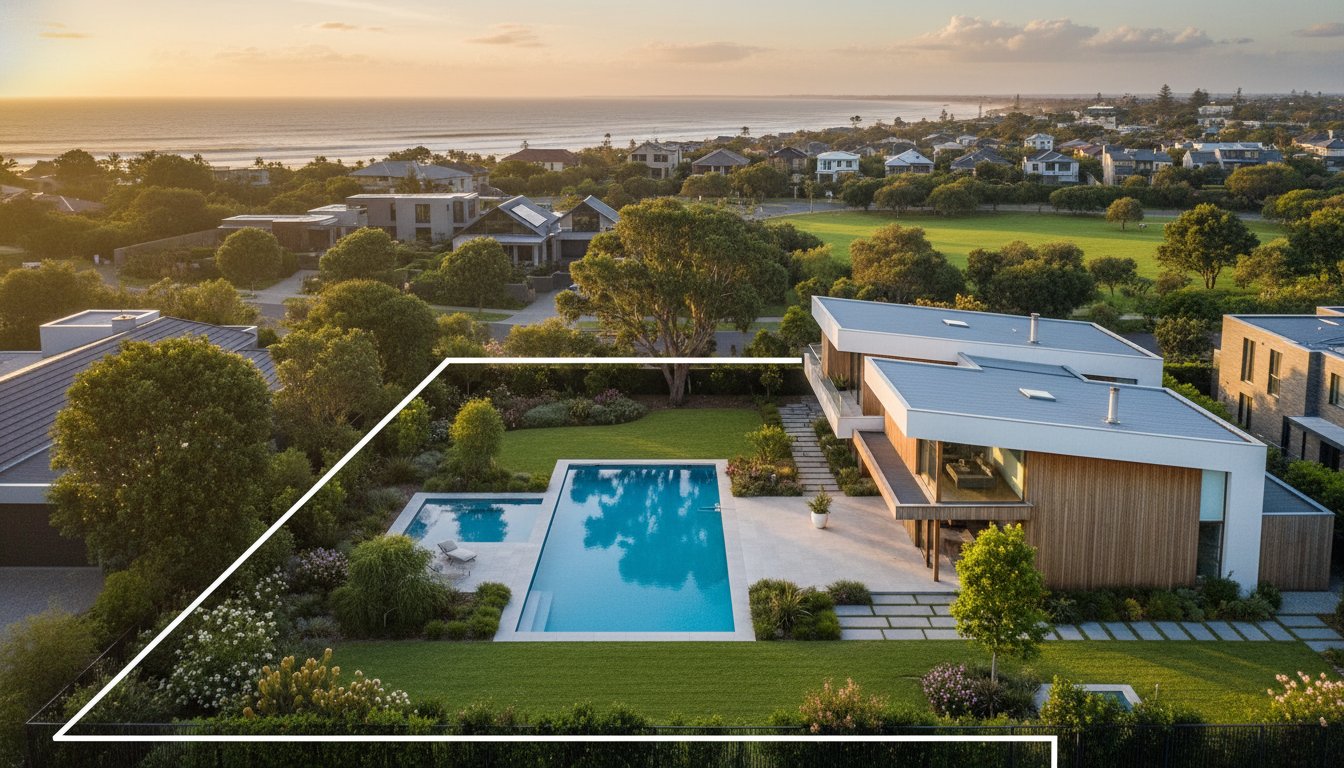
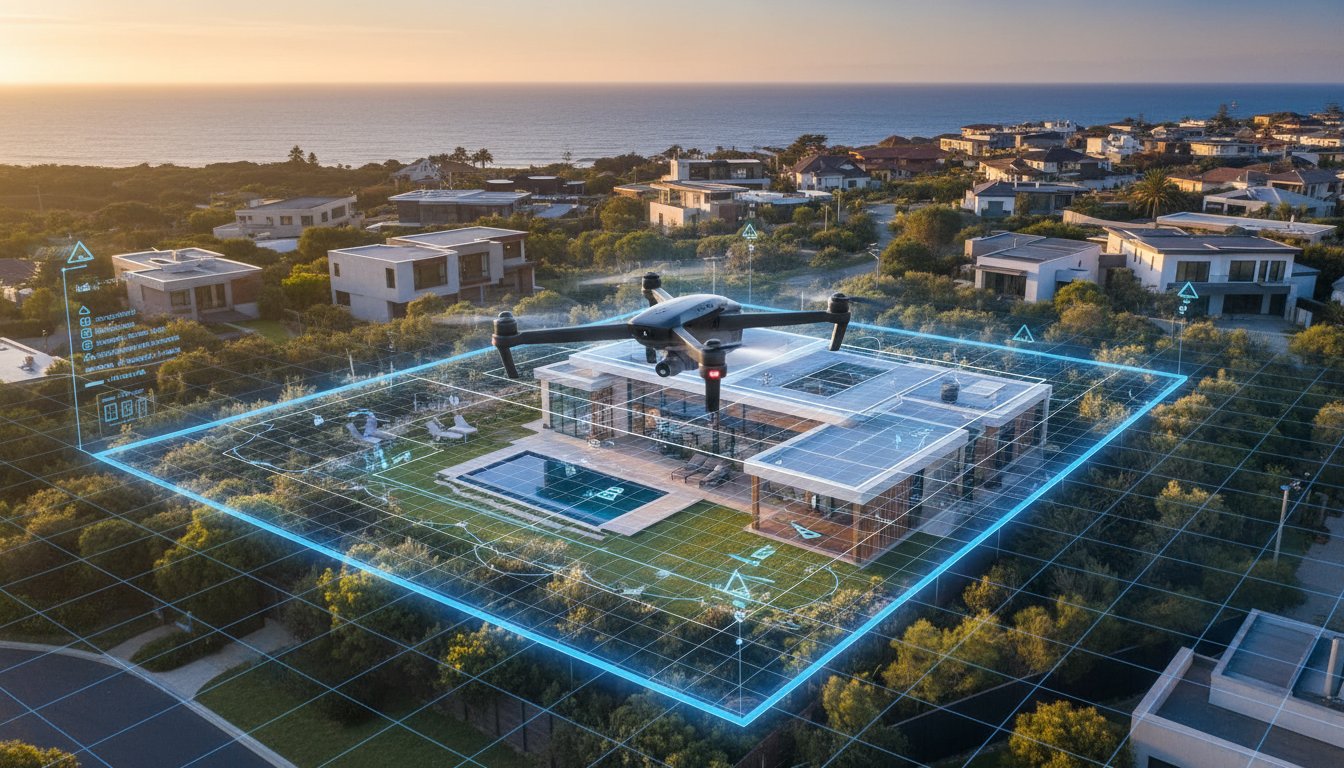
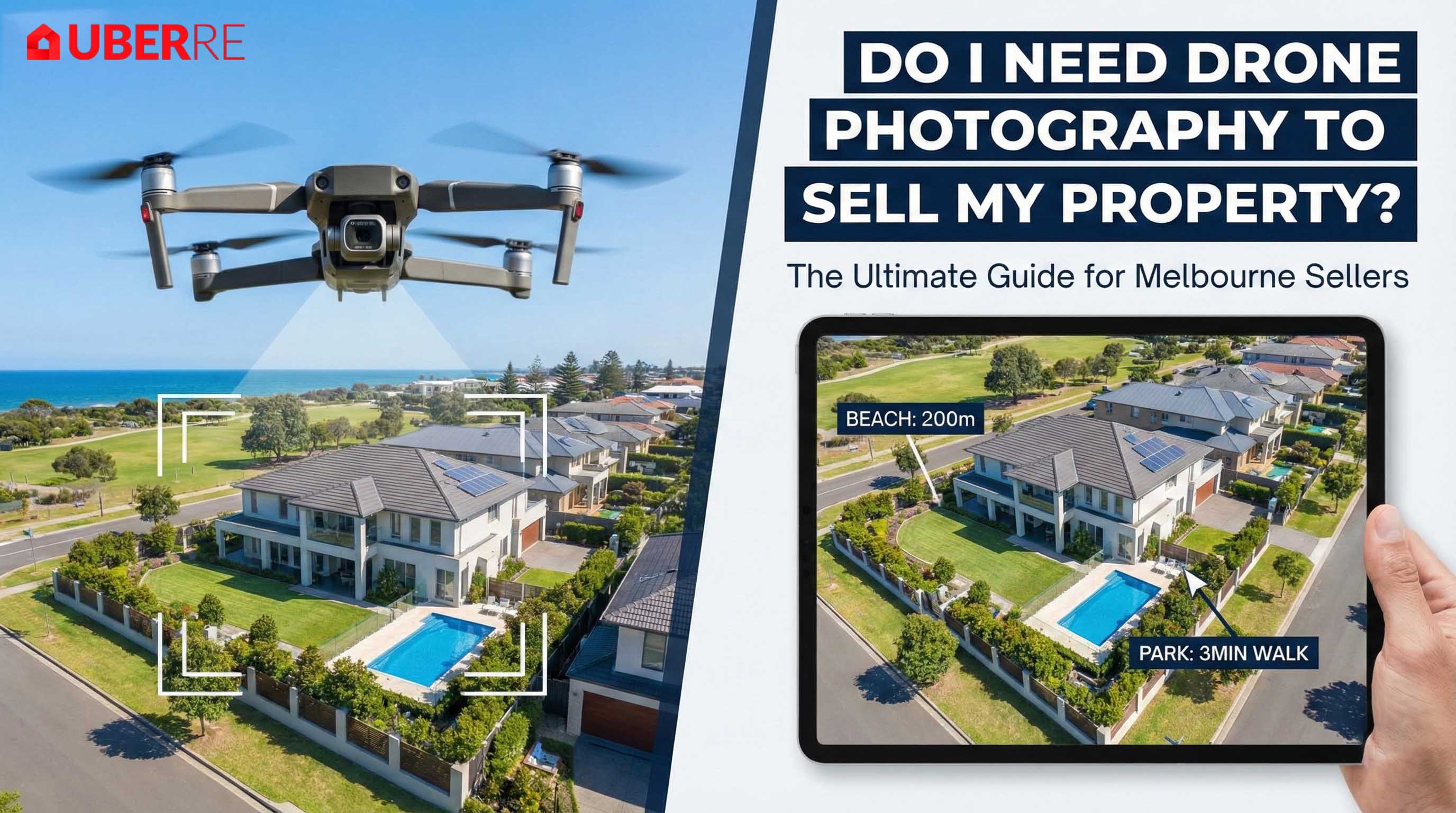
Integrating aerial drone photography is vital when the property's value is tied to its location or land size. Drones provide the necessary context by showing the home's proximity to local beaches, parks, or shopping centres. This perspective is particularly effective for large blocks or coastal properties where a street-level shot cannot capture the full lifestyle offering. It allows the buyer to understand the property's footprint within the neighbourhood without losing the fine architectural details of the home itself.
Post-production tools can correct landscaping issues that are beyond an agent's immediate control. Grass greening is a popular solution for sun-scorched lawns, providing a lush, healthy appearance that enhances the overall composition. Digital object removal also plays a key role in capturing curb appeal in photos by deleting distracting power lines or unsightly neighbouring fences. These technical interventions ensure the focus remains entirely on the primary asset.
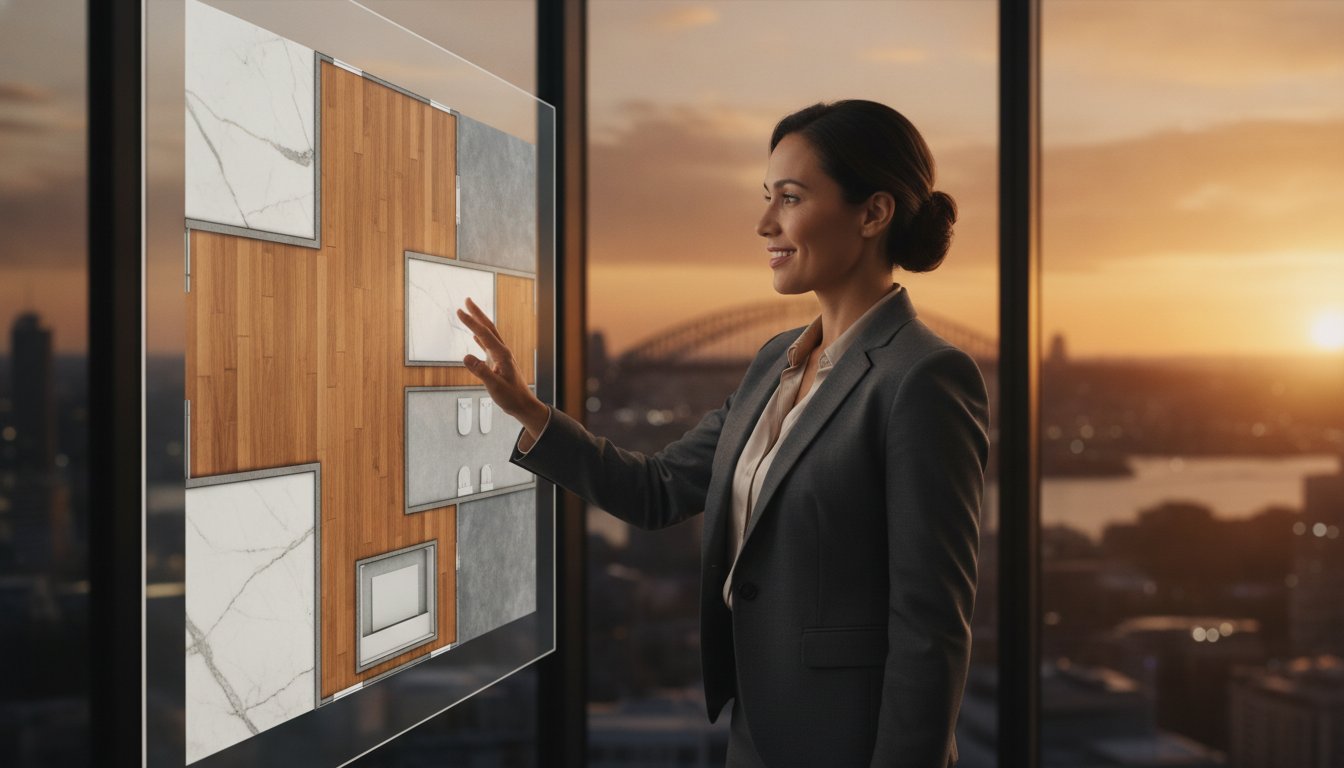
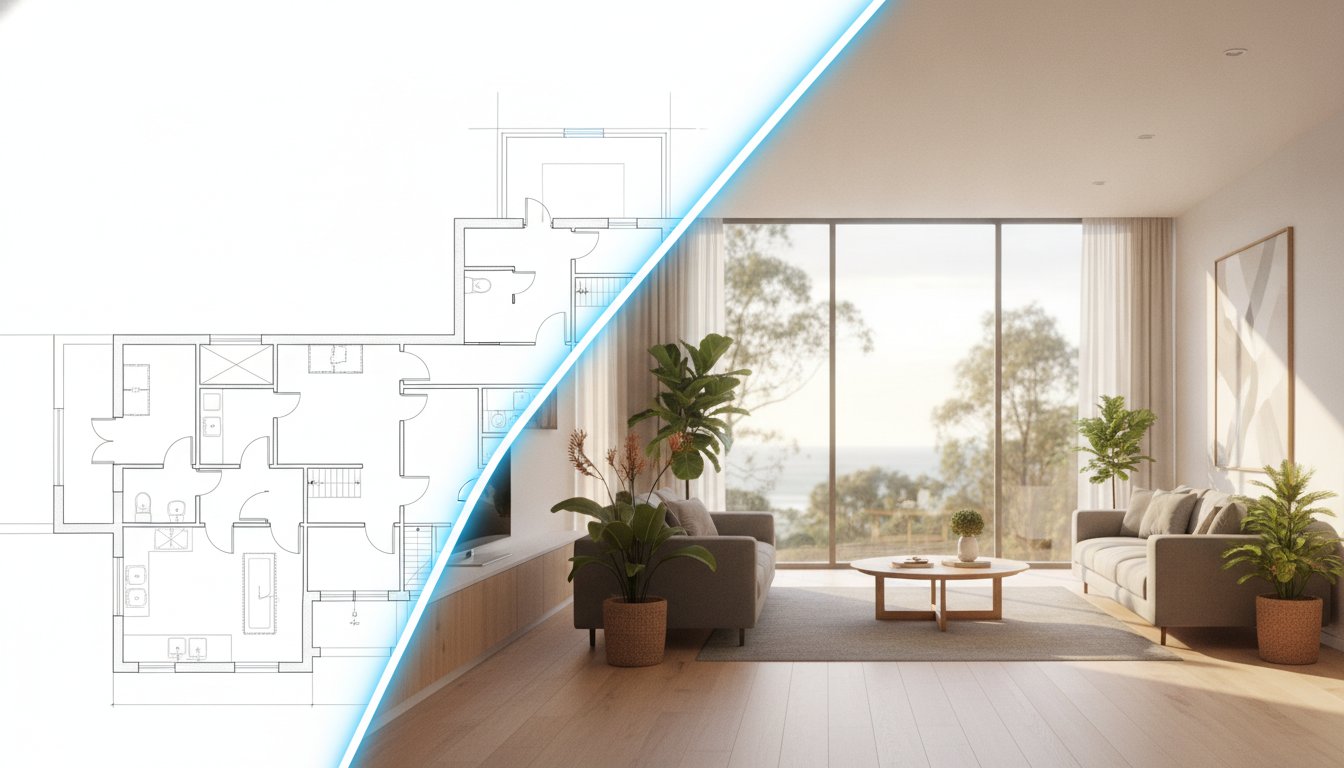
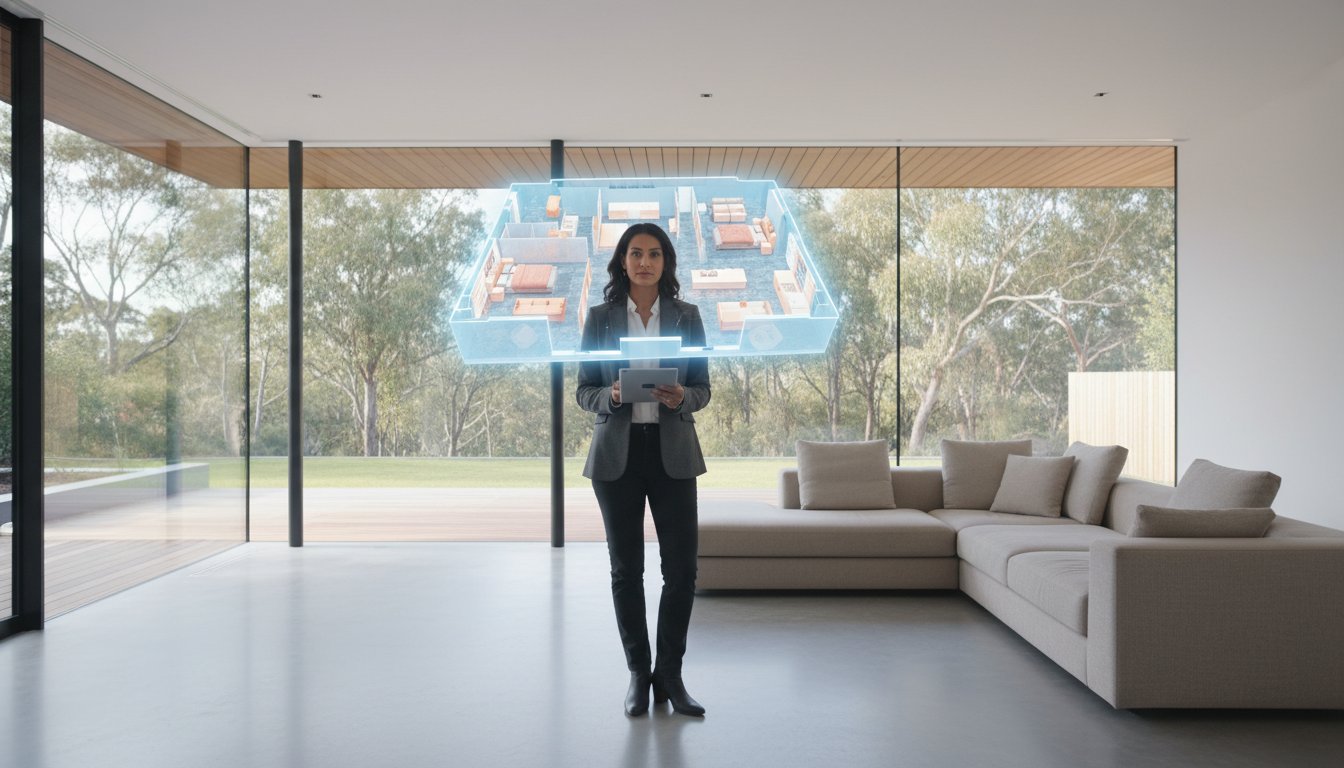
Success in property marketing requires a cohesive visual strategy where the hero shot acts as the primary anchor. While capturing curb appeal in photos is the first step in the buyer's journey, this asset must work in tandem with technical tools like real estate floor plans. The hero shot establishes the emotional desire, while the floor plan provides the spatial logic to sustain it. Maintaining a consistent "vibe" between the exterior aesthetic and the interior tour is essential for building trust. If the hero shot promises a premium, sun-drenched lifestyle, the rest of the campaign must deliver that same standardised quality across every touchpoint.
Speed is a critical marketing asset in fast-moving Australian markets. Our 24-hour turnaround ensures that your high-impact hero shot is live on portals while buyer interest is at its peak. This efficiency allows you to launch a comprehensive campaign without the logistical delays often associated with local freelance photographers. By using a national provider, you ensure that every asset, from the textured site plan to the twilight stills, meets a uniform professional standard that protects your agency's brand image. Capturing curb appeal in photos is only effective if those photos are live when the market is hot.
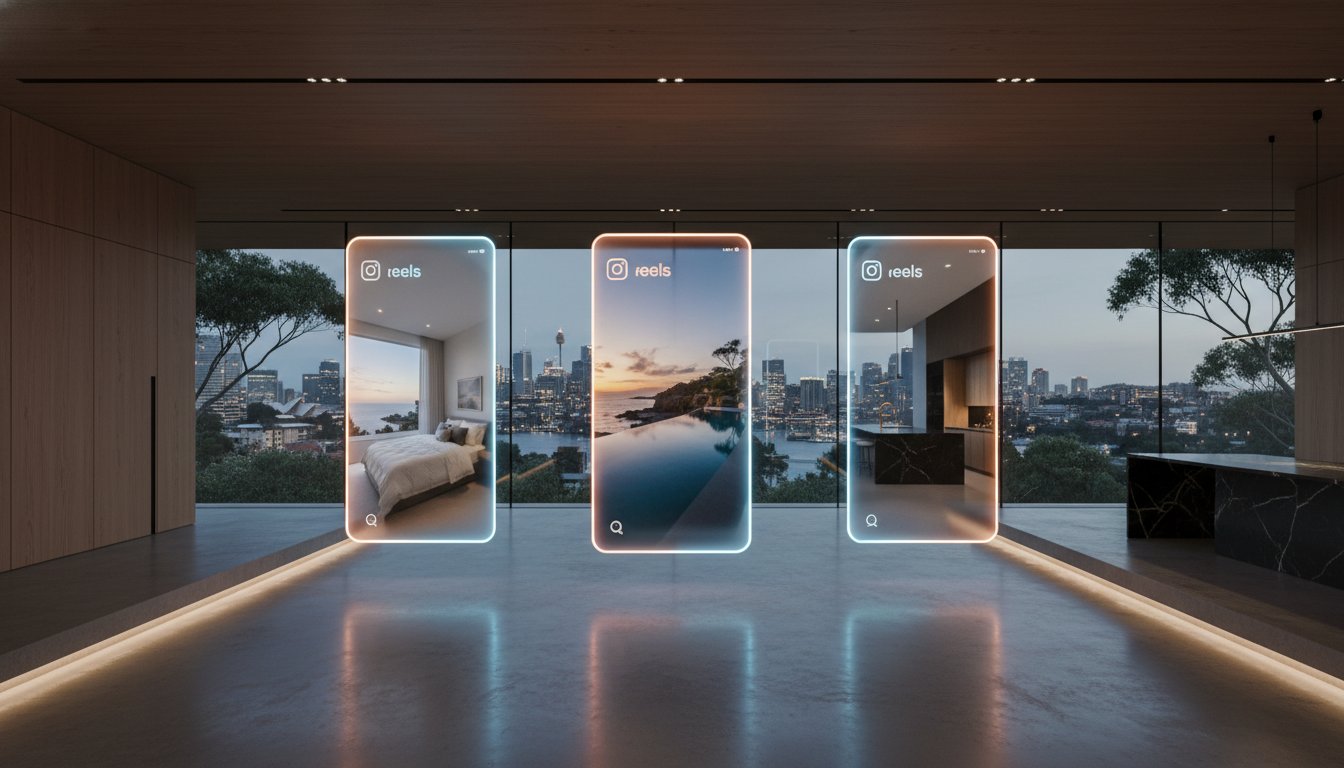
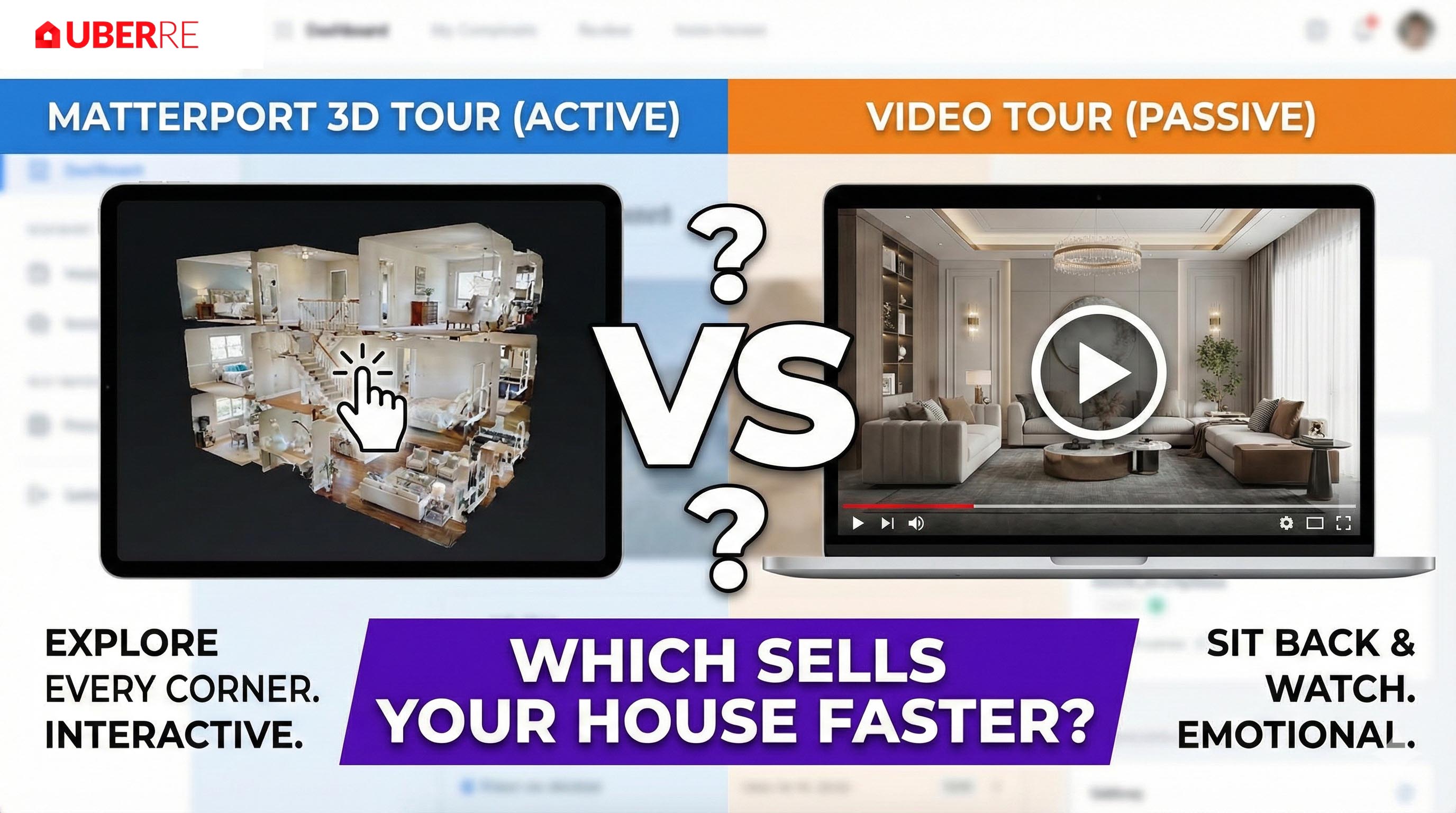
A static hero shot is often the entry point for a high-engagement video tour or social media reel. For platforms like Instagram and TikTok, the first three seconds of a reel must mirror the curb appeal established in your primary listing photo. This visual continuity prevents "scroll-off" and reinforces the property's branding. Utilising "Twilight Reels" is particularly effective for social engagement; the dramatic lighting of a dusk shoot translates into high-performance content that stands out in crowded feeds.
Efficiency is the core of our service delivery. You can organise your entire marketing suite, including day or twilight photography, textured floorplans, and professional copywriting, through a single streamlined online booking platform. This consolidated approach eliminates the need for multiple vendors and ensures all assets are delivered simultaneously. A single-provider model guarantees that the technical specifications and creative direction remain consistent across every marketing channel, from the initial hero shot to the final 3D tour.
In the 2026 real estate market, visual dominance is non-negotiable. Mastering the art of capturing curb appeal in photos requires a shift from simple documentation to strategic marketing engineering. By utilising the 45-degree power angle and leveraging advanced digital enhancements like sky replacement, you ensure every listing presents a premium, aspirational lifestyle. Integrating these high-impact hero shots with textured floorplans and aerial drone perspectives creates a powerful, multi-channel campaign that drives higher click-through rates and faster sales cycles.
UberRE provides the infrastructure for this success with a 24-hour turnaround on all visual content and a national network of professional photographers. Our seamless online booking and campaign management platform allows you to scale your marketing efforts with total service assurance and corporate reliability. It's time to move beyond the limitations of local freelancers and adopt a standardised, tech-forward approach to your property marketing.
Start transforming your listings into high-performance marketing assets today and secure the competitive edge your agency deserves.
The optimal time for capturing curb appeal in photos is during the "Golden Hour" or at twilight. Early morning or late afternoon provides soft, directional light that avoids the harsh, vertical shadows typical of the midday Australian sun. Twilight photography is especially effective for high-end listings, as the warm glow of interior lights against a cool dusk sky creates a high-impact, aspirational aesthetic.
You should always remove all vehicles from the driveway and the immediate street frontage before the shoot begins. Even luxury cars introduce unwanted reflections and colours that distract the viewer's eye from the home's architectural features. A clear driveway provides a clean visual lead-in to the house and allows potential buyers to mentally occupy the space without the current owner's "life artefacts" in the way.
Investment levels for professional photography in the Australian market vary depending on the package complexity and the specific assets required for the campaign. Factors such as the property's size, the inclusion of specialised twilight sessions, and aerial drone requirements will determine the final cost. Most top-performing agents view professional imagery as a high-return investment that directly influences the final sale price and time on market.
We can digitally correct sun-scorched or brown lawns through professional grass-greening techniques during the post-production phase. This is a standard technical enhancement that ensures the property maintains a lush, well-maintained appearance regardless of seasonal weather conditions or local water restrictions. This process is essential for maintaining a premium brand image across your entire listing portfolio.
A "Hero Shot" is the primary lead image designed to act as the digital front door for a property listing. It's the single most important visual asset, engineered to stop the scroll on competitive portals and drive immediate click-through rates. This shot is typically a meticulously composed exterior photo that showcases the property's best architectural angle and most attractive features in a single frame.
Aerial drone photography is highly recommended for standard residential listings to provide critical neighbourhood context. It allows buyers to understand the property's proximity to local amenities like parks, schools, and transport hubs. Drones are also the most effective way to show the scale of the block and how the home is positioned relative to its boundaries, which street-level photography cannot achieve.
The 45-degree rule involves positioning the camera at an angle to the home's facade rather than shooting it straight-on. This technique is vital for capturing curb appeal in photos because it reveals three-dimensional depth and architectural scale. By showing two sides of the structure simultaneously, the property appears more substantial and majestic, providing a much higher visual impact than a flat, two-dimensional perspective.
Preparation requires a "Zero Clutter" approach, including the removal of wheelie bins, garden hoses, and pet bowls from the frame. Ensure the lawn is mown, garden beds are freshly mulched, and all windows are cleaned to a professional standard. You should also ensure all blinds or shutters are set to a uniform height across the facade to create a sense of symmetry and prestige that translates effectively on camera.
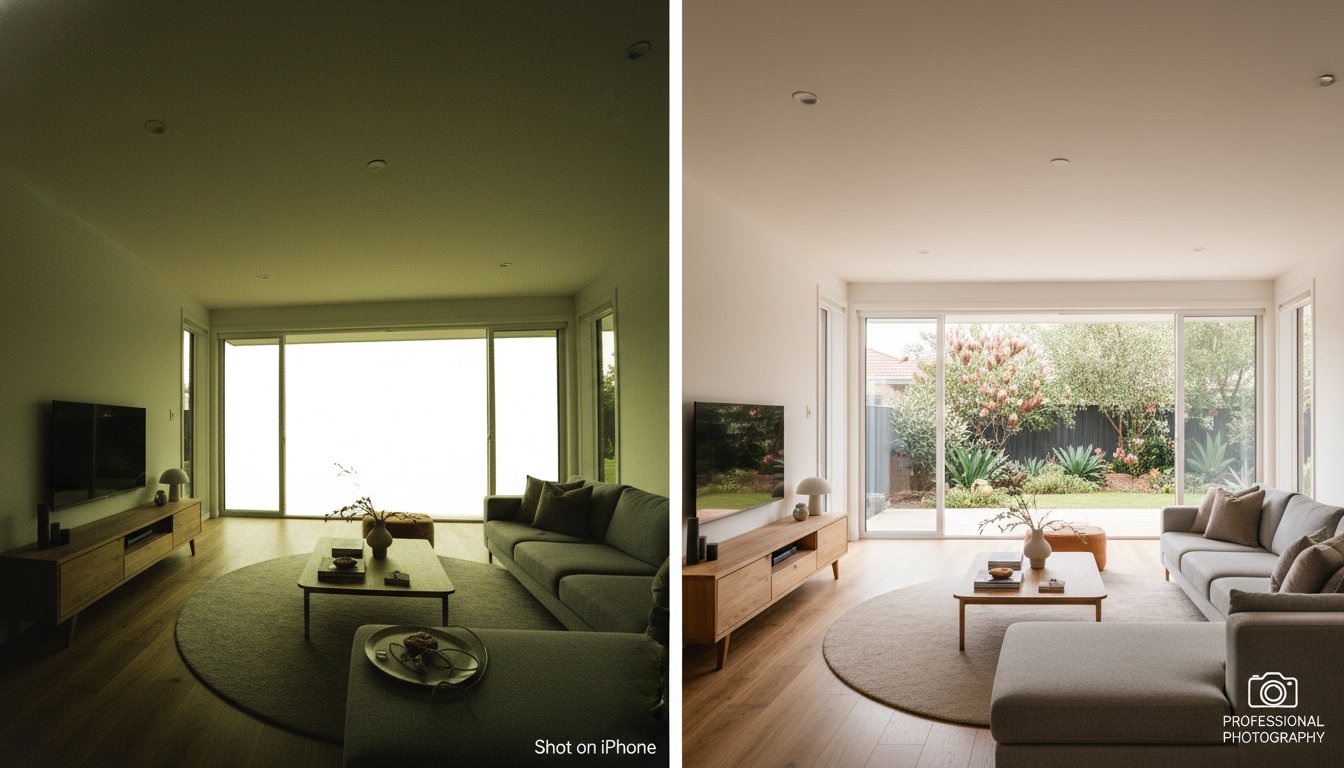
High-end listings require professional-grade equipment to capture the necessary detail and dynamic range. While mobile technology has improved, it cannot match the architectural lenses and technical sensors used in capturing curb appeal in photos. Professional gear ensures vertical lines remain straight and lighting is balanced accurately across the facade without the distortion common in smartphone cameras.
Addressing a messy neighbour requires a combination of technical camera placement and post-production refinement. Tight angles and strategic cropping can often exclude unwanted surroundings from the frame. For unavoidable distractions, professional digital object removal ensures the final output remains clean. This ensures the focus remains entirely on your listing's assets rather than the streetscape flaws.
Book with UberRE
8 professional photos ready within 24 hours of the shoot, for print, online and social media. Same price everywhere we work in Australia.
See the service and prices
-2.png)